
News
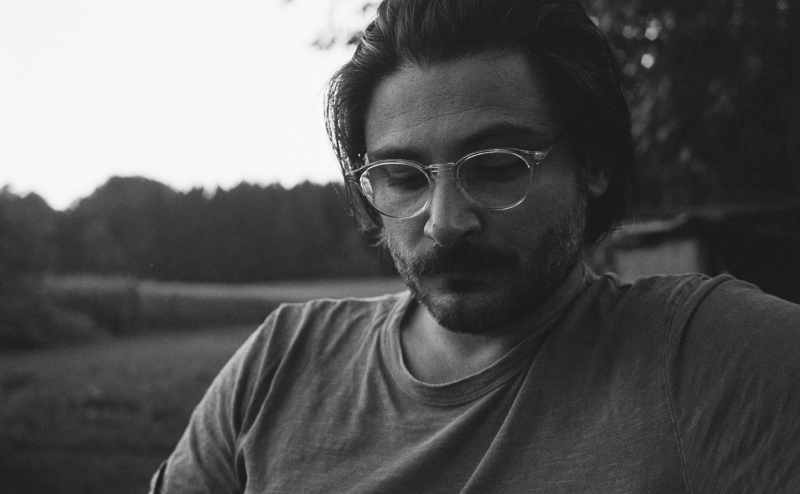
Getting started in photography: advice from Roman Jehanno , photographer and videographer
Specializing in landscape and portrait photography, Roman Jehanno was awarded the Hasselblad Master Prize in 2014 for his "Savoir-faire" series, subsequently published in various magazines (National Geographic, Fubiz, Réponse Photo...).
His work alternates between photographic series, documentary films and conceptual frameworks. He has also worked on " SÁMIS ", a cinematographic and photographic corpus created within an indigenous community in Northern Europe; " Leftover Lives ", a speculative narrative built around anonymous vernacular photographs; and "Alternative Irreality", an experiment exposing the cultural appropriation implemented by generative AI.
In addition to various exhibitions, his work has been published in National Geographic Traveler, The Washington Post and Réponses Photo.
He gives us his feedback and advice on how to get started in photography.
Can you sum up your career since leaving school?
My career didn't start as soon as I left school, because you rarely get a contract as soon as you finish your studies.
I canvassed agents and presented my portfolio everywhere, but I still had to do a steady stream of odd jobs. I took advantage of this stability to multiply the number of professional meetings in my breaks and free time. I wanted to work in advertising, so I gradually built up a network, thanks to a first acquaintance who'd been to advertising school.
At the same time, I did a lot of personal projects. These series enabled me to continue training, fine-tune my lighting and post-production skills, and above all test things out.
Little by little, I landed more and more interesting contracts. In the beginning, you're forced to accept projects at almost a loss, in order to keep learning, have things to show and build up a network. Over time, I've gradually been able to adjust my rates.
However, all the hard work in the world may not be enough on its own. You still need a certain amount of luck, especially in this business where the competition is fierce and the learning curve so long. Being surrounded or helped is often the key to turning a situation from a nightmare into a success.
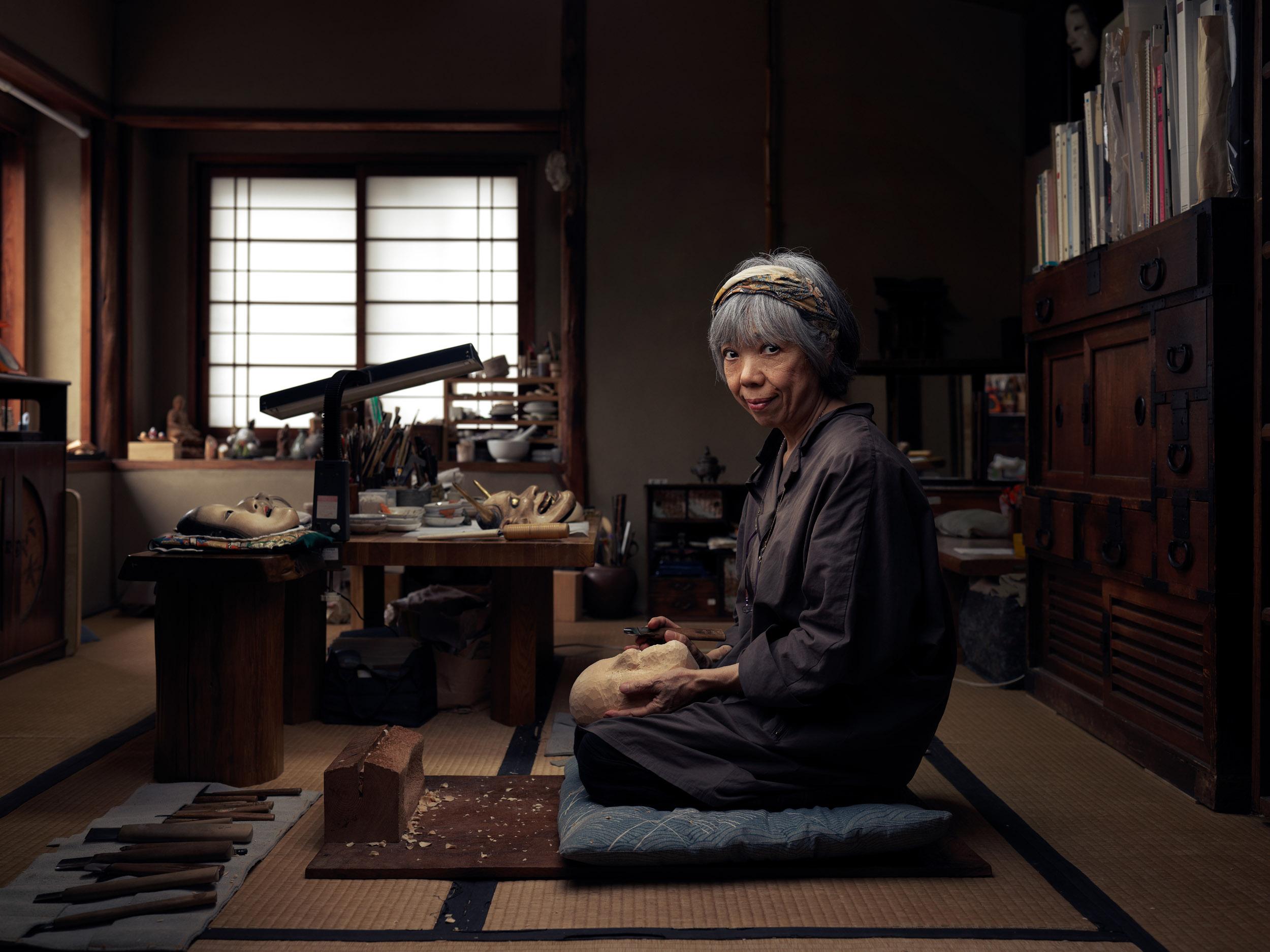
Roman Jehanno - "Savoir Faire" series - Mitsue Nakamura
How do you share your work?
I think social networks are important despite everything. One of the first things people look at is the Instagram account. For several years I only posted stories from daily life, but since last year I've been trying to post three of my personal series on a fairly regular basis.
Concerning the number of followers and the interest of developing a community, I still have the impression thata 100k account will tip a competition against a photographer with equivalent work but no followers.
Of course, I have a website that allows me to structure my ideas and projects.
I also send out a newsletter to share my news and get quantifiable feedback on my work by analyzing the number of clicks. I can identify the people who consult my content and then offer them a meeting.
I'm also one of the last photographers in Paris to have a paper portfolio! I think it's great to see your work on paper. It's a beautiful object with which to arrive at appointments with art directors, photo managers, iconographers, art buyers...
It's an investment, but it allows you to sort out your projects and think about who you want to talk to. Paper doesn't have the same impact; you're back in the real world.
At the moment, I divide my work into 2 books, one for my professional work and another for my work as an author. But you often have to readjust them to suit the audience.
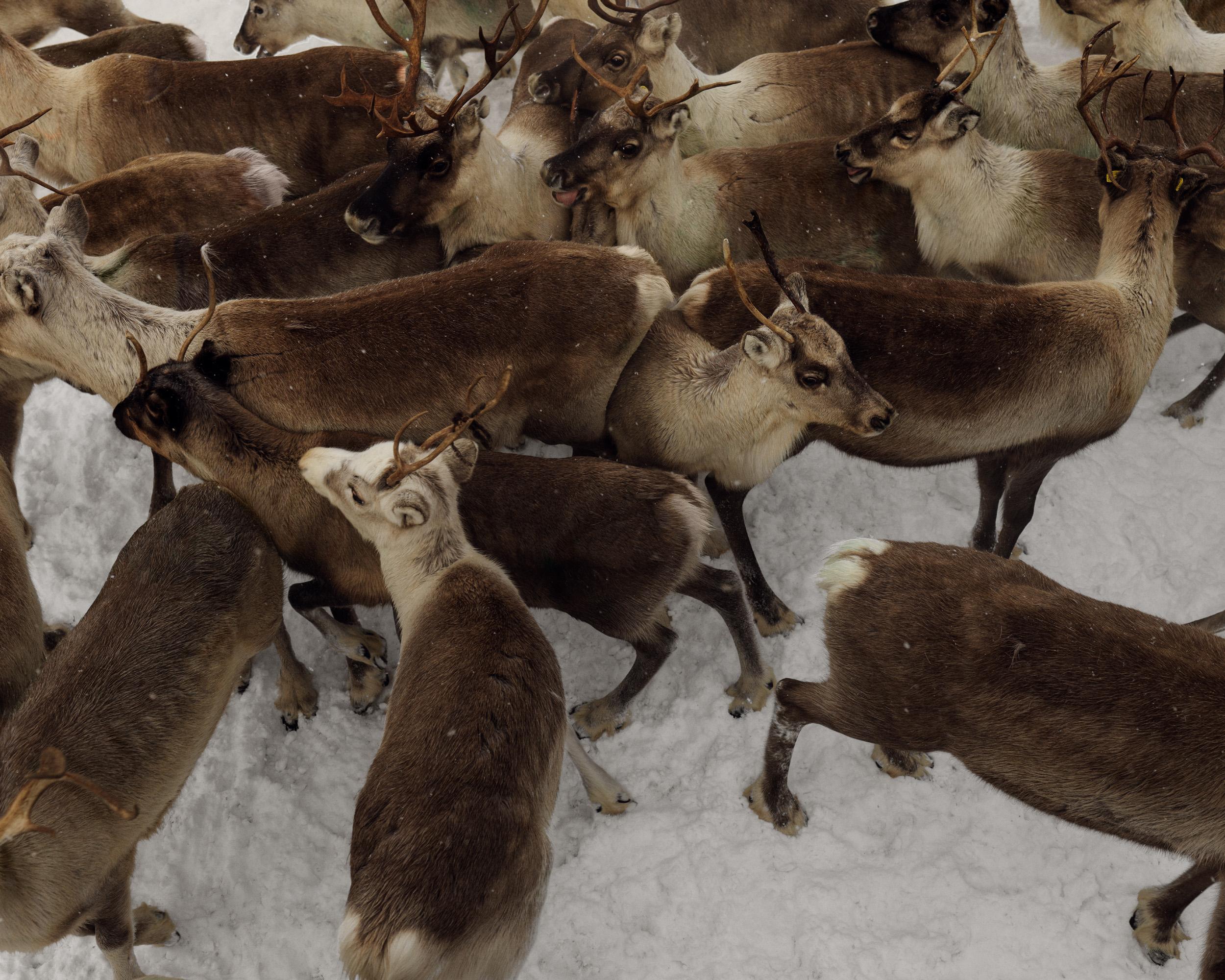
Roman Jehanno "Samis
Is it essential to work with an agent when you're just starting out?
When I left school, I very quickly got an agent with whom I get on very well, but it didn't work out, I was young and at the time it was much less easy to give contracts to people in their twenties who had just graduated, especially in 2008 at the height of the subprime crisis. I think that's changed since then.
I've had other experiences, but the way they worked didn't suit me , even though I learned a lot from each of them. I started doing the work myself and at the moment, that's what's been most effective. I also really enjoy the human contact, meeting people and presenting my work.
An agent takes a commission of 20 to 30%, which can be difficult for a photographer with an uncertain income. If you're already very proactive, it's not always profitable.
On the other hand, if you're nervous about presenting your work, have no notion of production, or have a very auteur profile , it can make a lot of sense to work with an agent.
In any case, a career takes time to develop, you can't go too fast, you have to take your time.
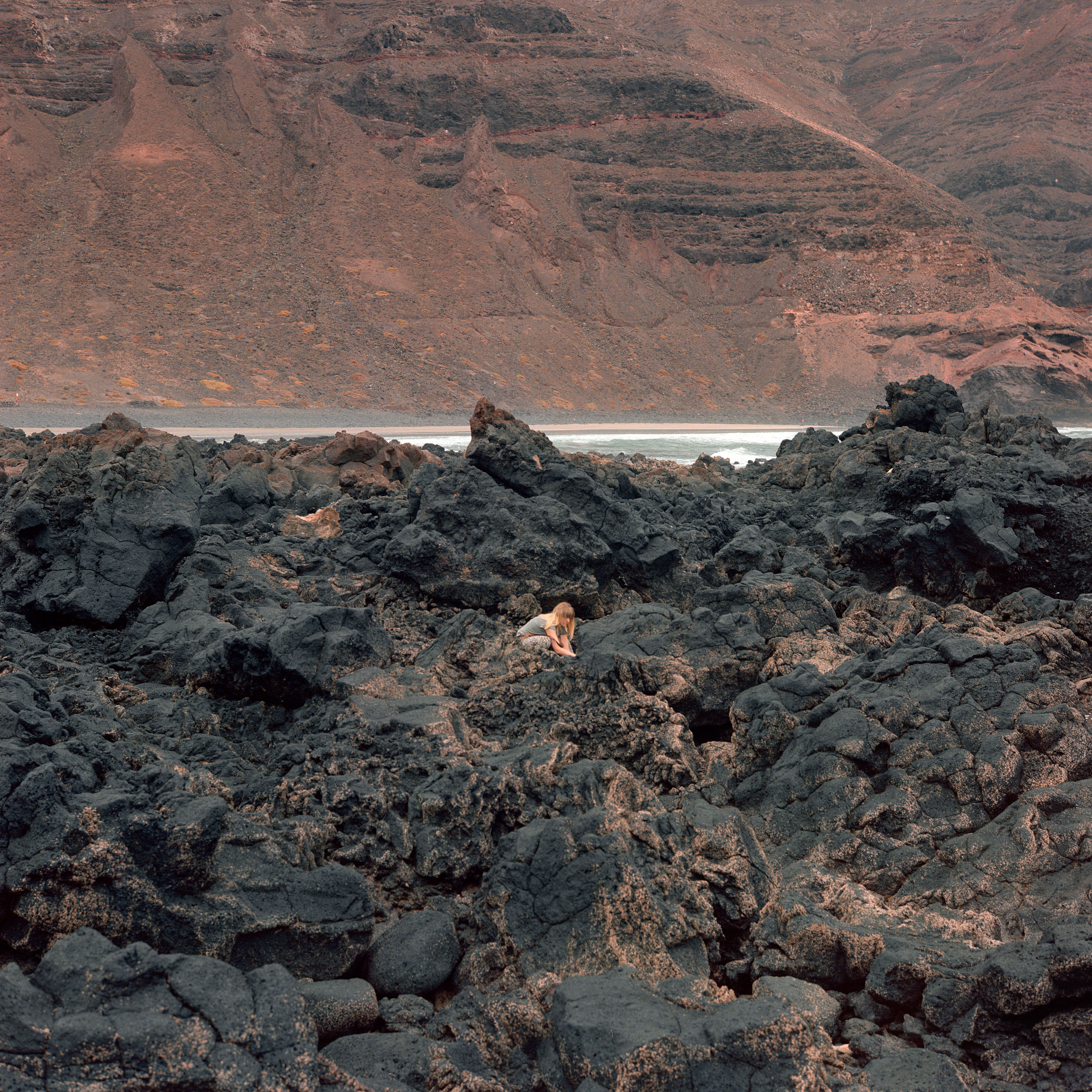
Roman Jehanno - "Clic Clac Kodak" series
How do you organize your work?
Most of the working time in this business is not directly remunerated. And you can't find a lucrative contract without this upstream work.
Even in these "off" periods , there's always a multitude of background tasks to deal with: accounting, answering e-mails, canvassing clients, looking for new contacts, keeping abreast of what others are doing, going to exhibitions, sorting out your images, training in other aspects of the business... and developing your personal work, of course.
As in all creative professions, you also have to accept those days when you can't get any work done, and take them as necessary breaks to gain in efficiency the next day.
There are also all the side projects that may seem insignificant, but which will enable you to challenge yourself creatively andhone your skills.
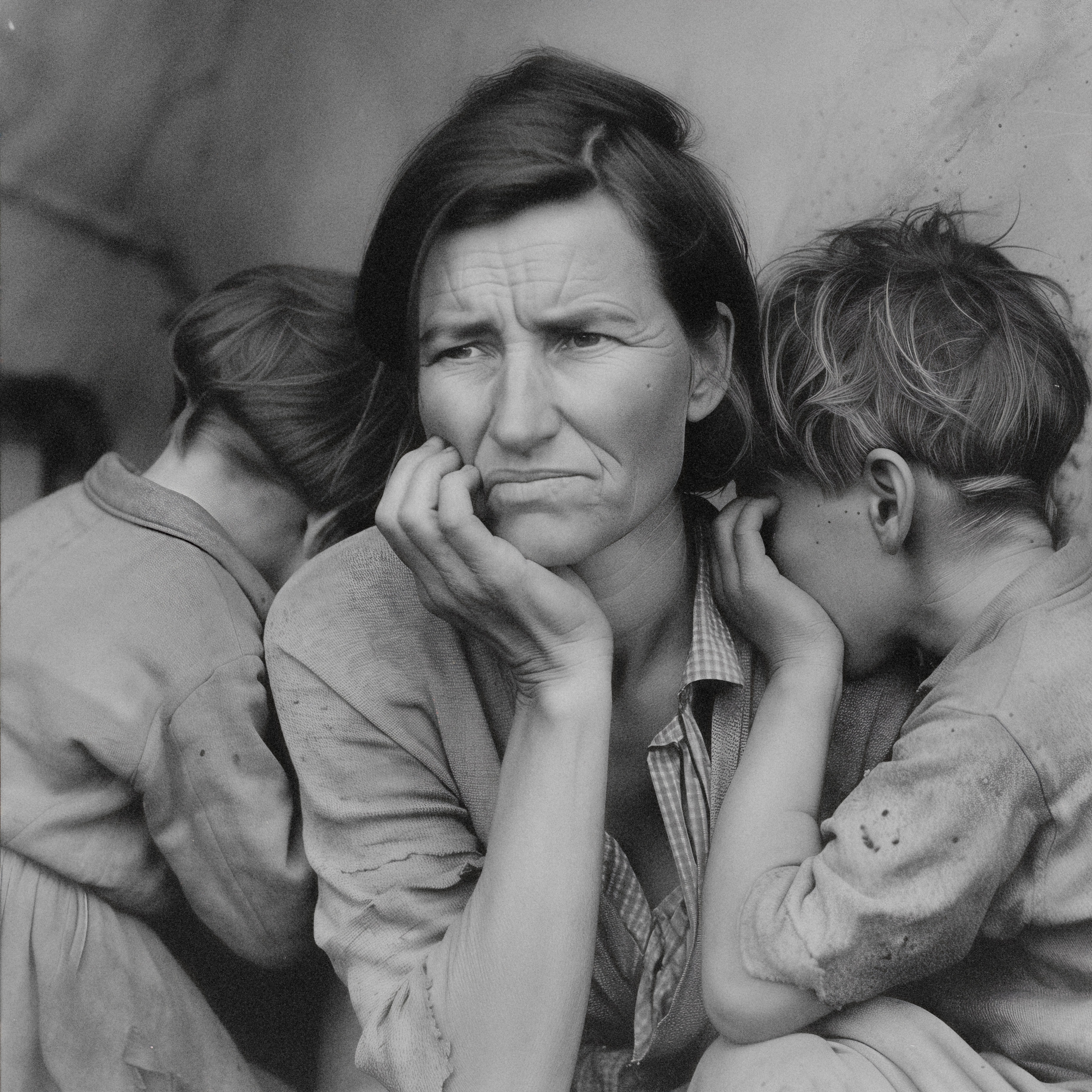
Roman Jehanno Alternative Irreality Not Dorothea Lange Migrant Mother
How did you strike a balance between your personal projects and your commissions?
As soon as I left school, I had the feeling that personal projects were the lifeblood of the business. I remain deeply convinced that without these projects I wouldn't have had the career I have.
I devoted ten years to my " Savoir faire " series, and it's thanks to these images that I landed contracts that subsequently enabled me to increase my travel capacity and enrich my work.
When we talk to art buyers, they want to see what we're capable of when we take on a project, what we express through our images. Creative people need to feed off these projects.
It's in this symbiosis that I find the balance interesting: we create personal work free of any constraints, which inspires other creatives who will adapt our approach to clients, and these paid projects then help finance personal auteur work. It's quite a virtuous circle when everything works well.
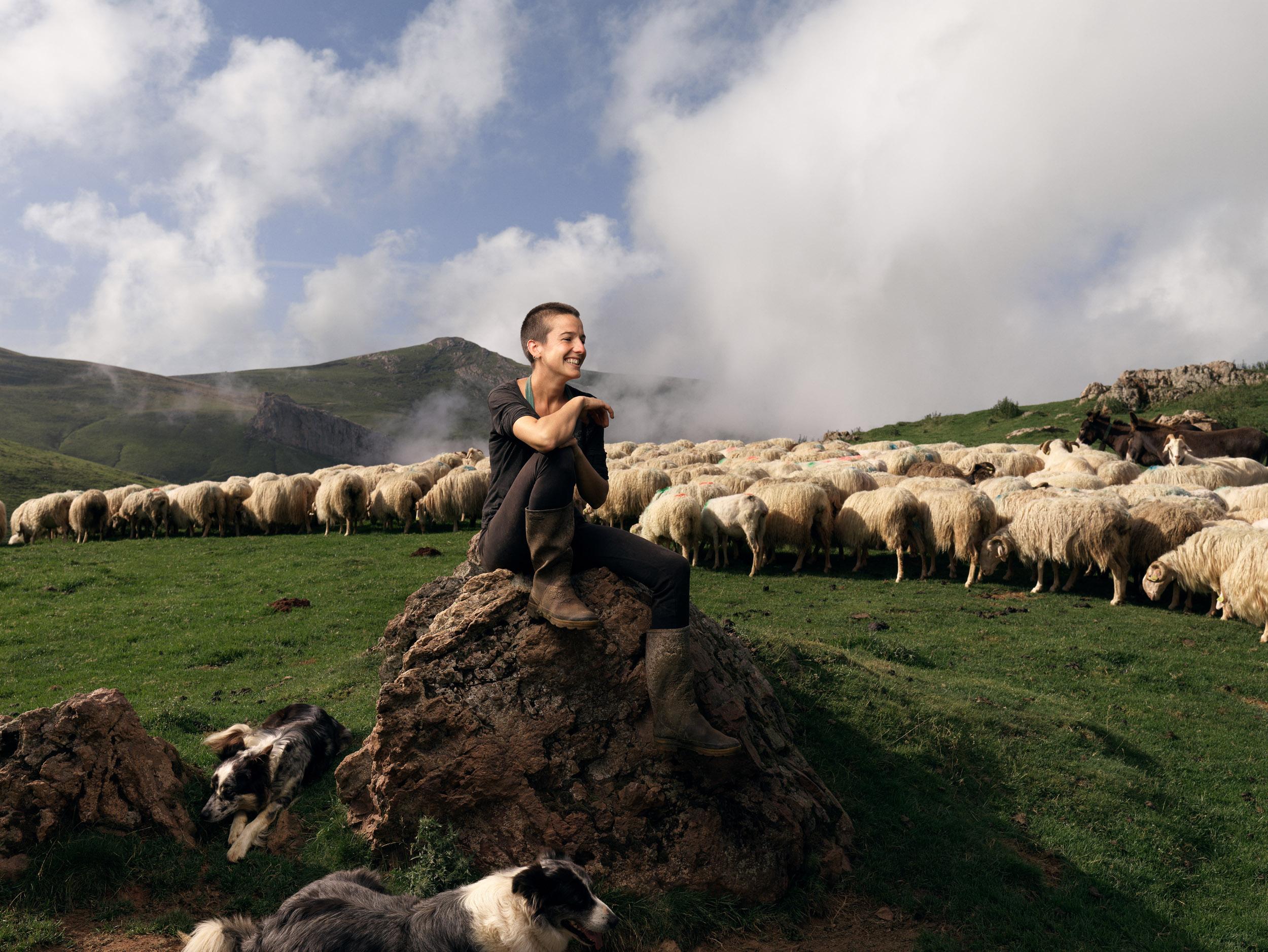
Roman Jehanno - "Savoir Faire" series - Maïna Chassevent
What do you think are the main mistakes to avoid when starting out?
The biggest mistake is believing that people are waiting for you. There are already plenty of photographers on the market, so you have to know how to stand out, be proactive and not wait for people to come looking for you.
The other mistake would be to neglect technique. As Brassens said, "talent without technique is just a dirty habit". Working on technique is essential if you are to free yourself from it.
It's also what allows us to feel more legitimate, to understand certain problems of light, perspective... Our profession requires real mastery, not just an artistic approach.
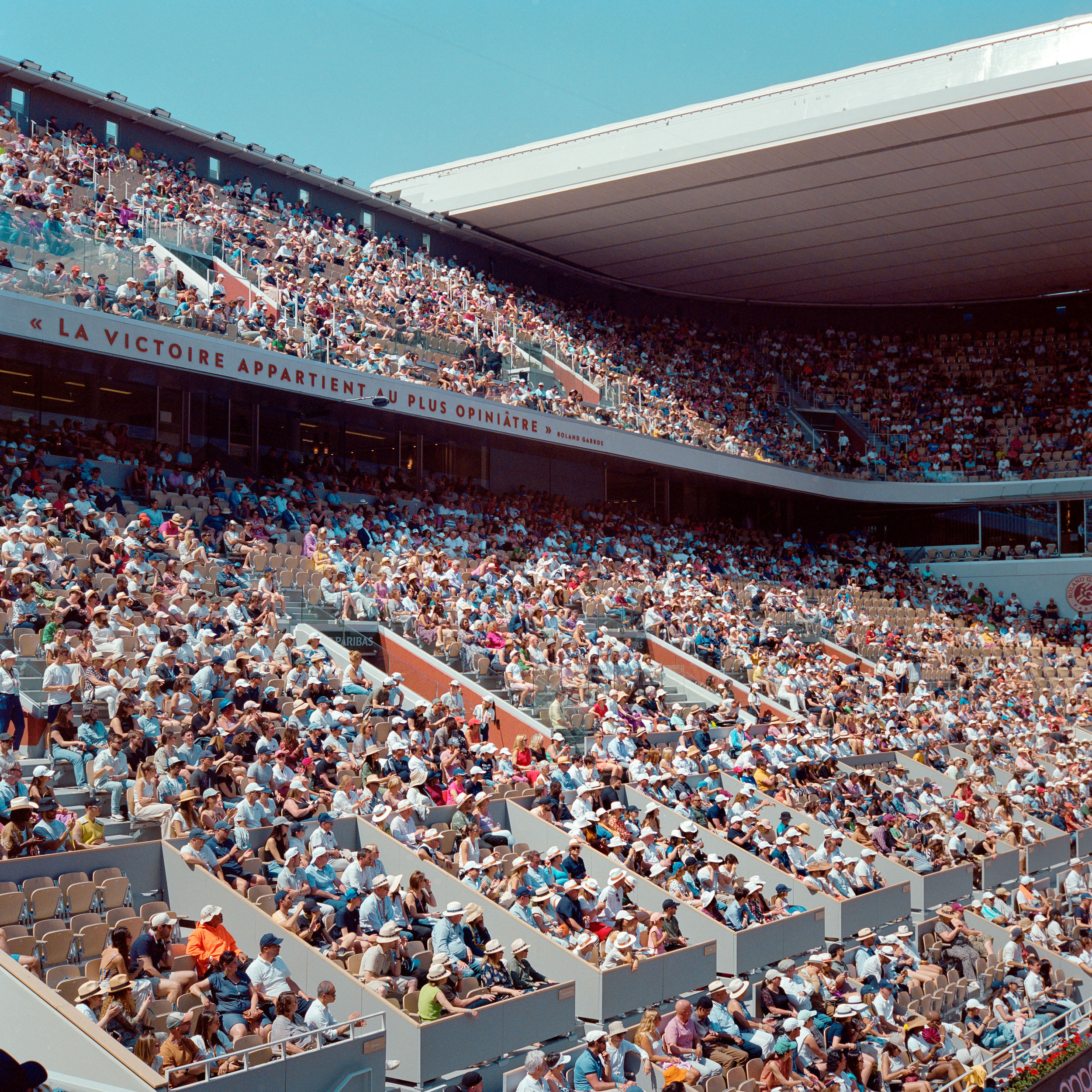
Roman Jehanno - "Clic Clac Kodak" series - Roland Garros
What's the #1 piece of advice you wish you'd had before taking the plunge?
In retrospect, I think I could have saved a lot of time if I'd understood earlier that the essential thing is not to make images with the idea of seducing the influential people in the advertising world, but to build your own style, with an honest, uncalculated approach.
What art buyers and creative people are looking for above all are singular looks, writing that can stand up without over-intention.
Of course, you need to be technically sound, to know the language of the trade, its hierarchies, its customs... but I've been looking for this kind of writing for a long time; maybe because I wanted to work in advertising too much. Today, I' ve managed to put some distance between that desire and what I'm looking for in my work as an author.
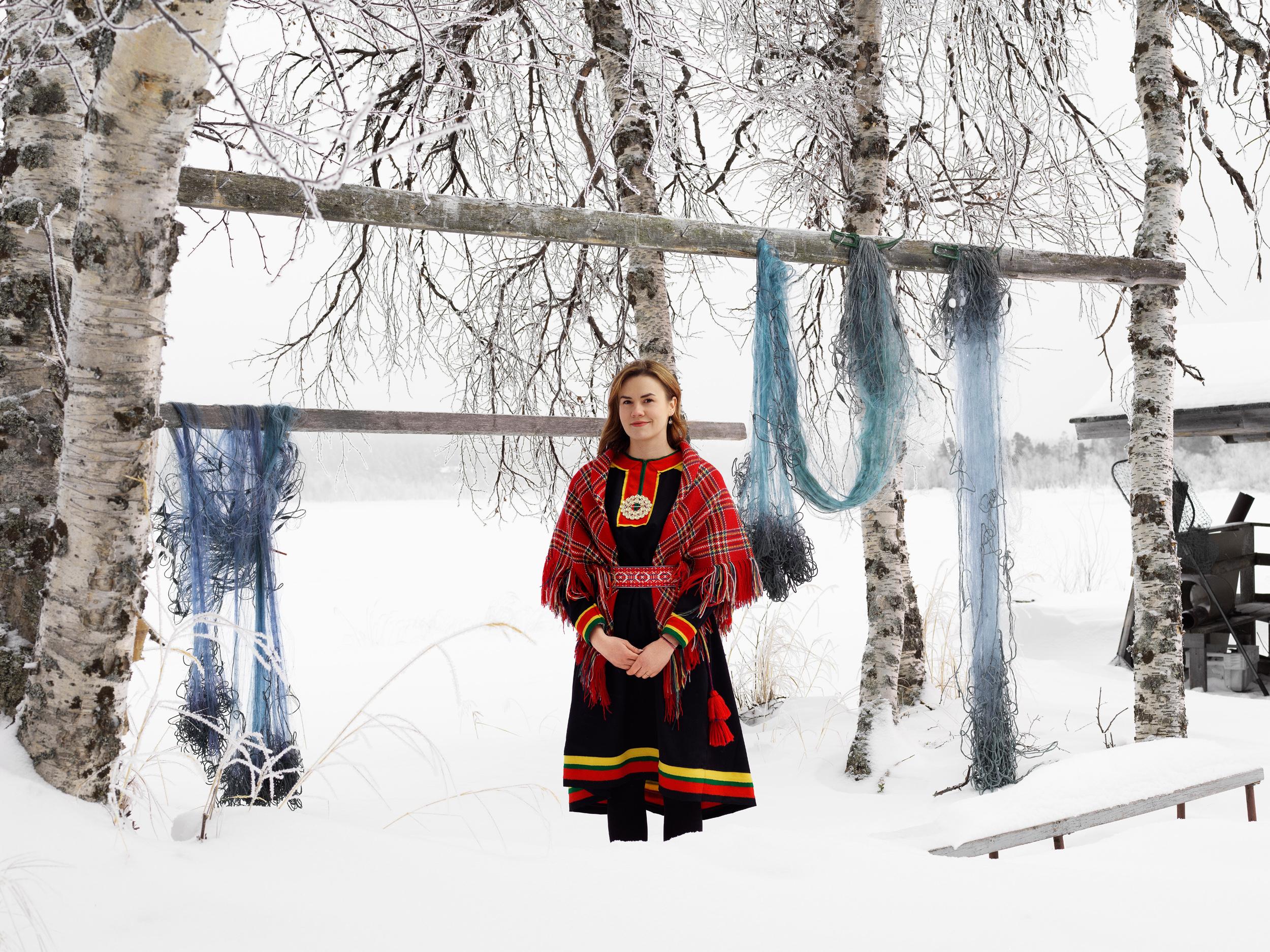
Roman Jehanno - "Savoir-Faire-Sami"_Hilla-Rina series
Today, what are you most proud of in your career as a photographer?
Making a living from photography! I've been doing this for 17 years , it's been a long journey, and I'm proud to still be here.
I'm very happy with the personal projects I've set up and the trajectory my thinking about photography has taken.
Lately, the "Clic Clac Kodak" and "Alternative Irreality" projects have really made me aware of my practice.
The Hasselblad prize was a real turning point. It came at an already pivotal moment, as I was leaving behind years of composite photography on fictional themes to move on to Savoir-Faire.
Successfully shooting a film about the Sámis, receiving awards, screening it at GOBELINS last spring...It was a great way to come full circle, so long after leaving school.
TO FIND OUT MORE





No comment
Log in to post comment. Log in.