


News
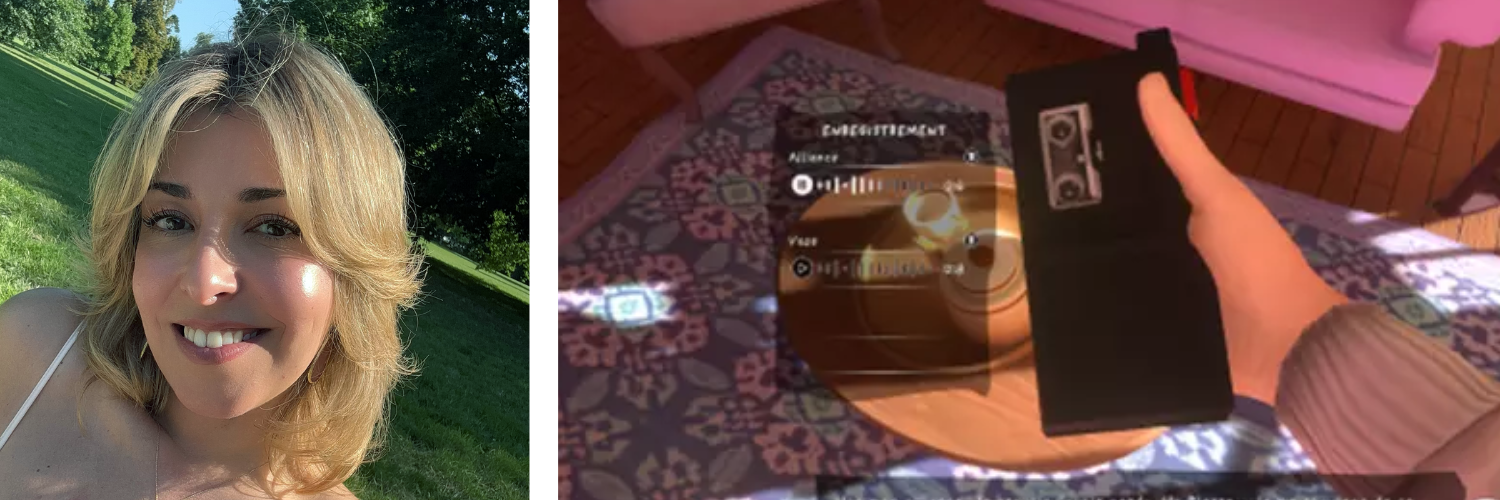
Marina Almeida, Game Designer for URSSAF
A graduate of the Mastère Spécialisé designer d'expériences immersives, interactives et ludiques in 2024, Marina Almeida began her career in industrial design, before switching to serious games.
Today, as a game designer at URSSAF, she talks about her passion for games and the benefits of integrating gamification into companies and institutions.
What is your professional background?
My background is a bit atypical. I studied art and industrial design in Portugal. I arrived in France in 2013 and found a job as an electrical designer in the building industry.
I worked in this field for 10 years, designing technical drawings and power studies using 3D. It was a very technical job, linked to engineering. I wanted to get back in touch with the more creative side of design by training to become a digital project manager.
I was very interested in the UX/UI part, but mobile applications and websites still didn't allow me to be creative.
I've always loved to play, and gaming was a good way of applying all my skills (UX, UI, 3D, spatial navigation...) in a cross-disciplinary way.
You're a game designer for Urssaf. What does your job involve?
I'm a game designer for a serious game, working for SDAC, the change management department of theURSSAF nationalsocial security fund. We're a small team, and I wear several hats, including narrative design, UX/UI design, graphics and project management.
We support change by innovating with different learning formats to make professional training for URSSAF's 16,000 employees more engaging and effective.
We cover a wide range of subjects, such as raising awareness of occupational health, the history of social security, business continuity planning, disability, harassment...
The formats can be very different, depending on the audience and educational objectives (video games, board games, VR, etc.).
As a game designer, I give as much thought to the concept of the game as to its content. I work with educational engineers to align game mechanics with educational objectives.
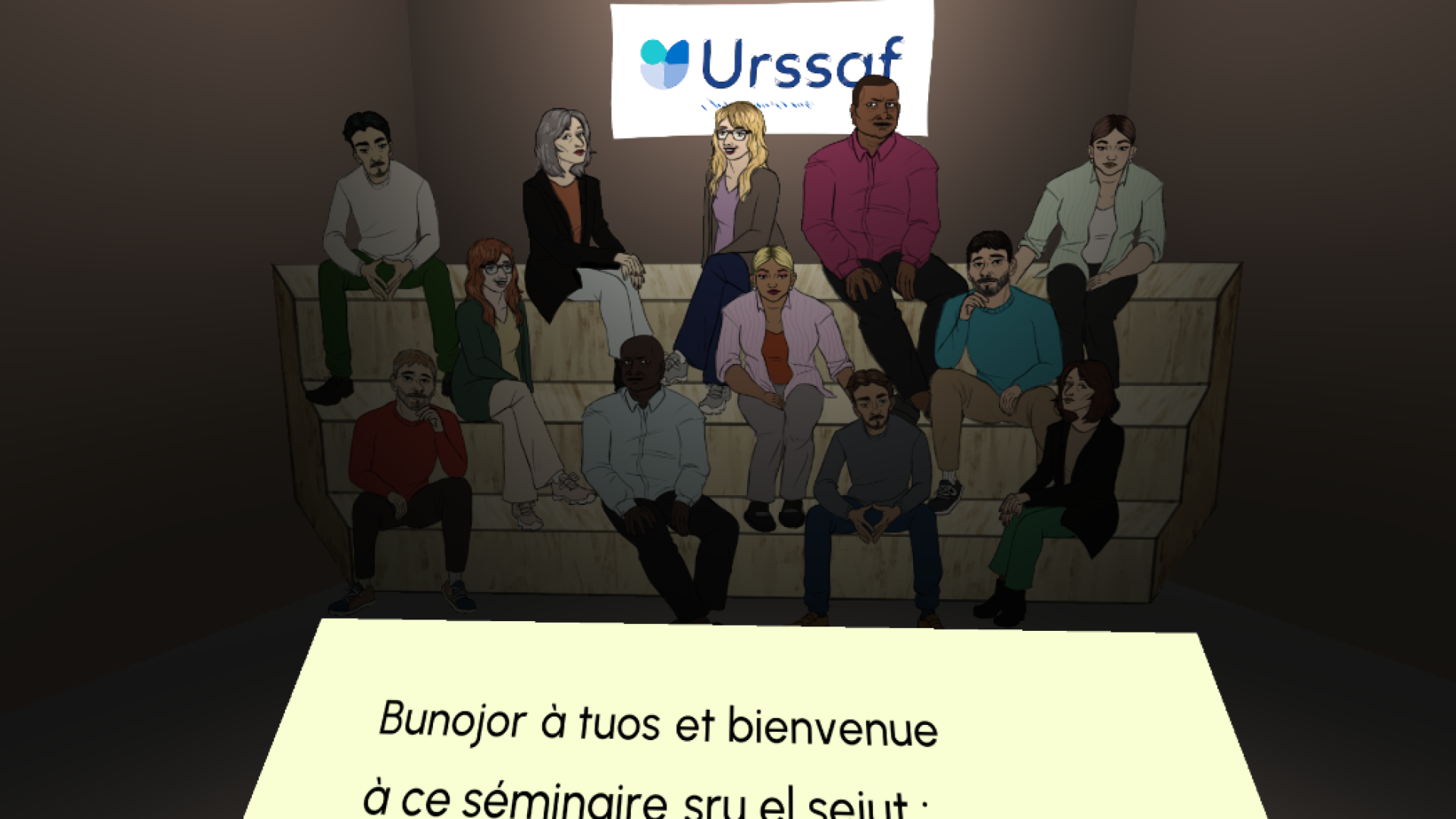
Serious Game URSSAF
How do you integrate gamification into a highly administrative institution like URSSAF?
Gamification is an excellent acculturation tool for employees. We create both gamified training materials , with systems of badges, points, rewards, etc., and real serious games, in which games are used as a means of learning.
We recently developed a game to raise employee awareness of the challenges of CSR (Corporate Social Responsibility) and its indicators within companies.
I've also devised a card game on harassment in the workplace , which identifies the different types of harassment (sexual, moral, sexism, situations that are a little on the edge...) through very concrete case law.
We have also created a board game to make it easier to learn the procedures to put in place in the event of a natural disaster. URSSAF cannot remain closed for more than 72 hours, so we have different protocols for different situations. We've devised a chronological game to help them learn step by step.
In a highly administrative institution like URSSAF, many of our employees are not gamers, so we had to come up with games that were accessible and engaging. Game design has to convey a message, facilitate learning and information retention by immersing the player in an experience. Each game is conceived as a lever for understanding, adhesion and transformation.
The greatest challenge when creating a serious game is to strike a balance between seriousness and fun. If the game is too much fun, you lose the message, but if it's too academic, you lose engagement.
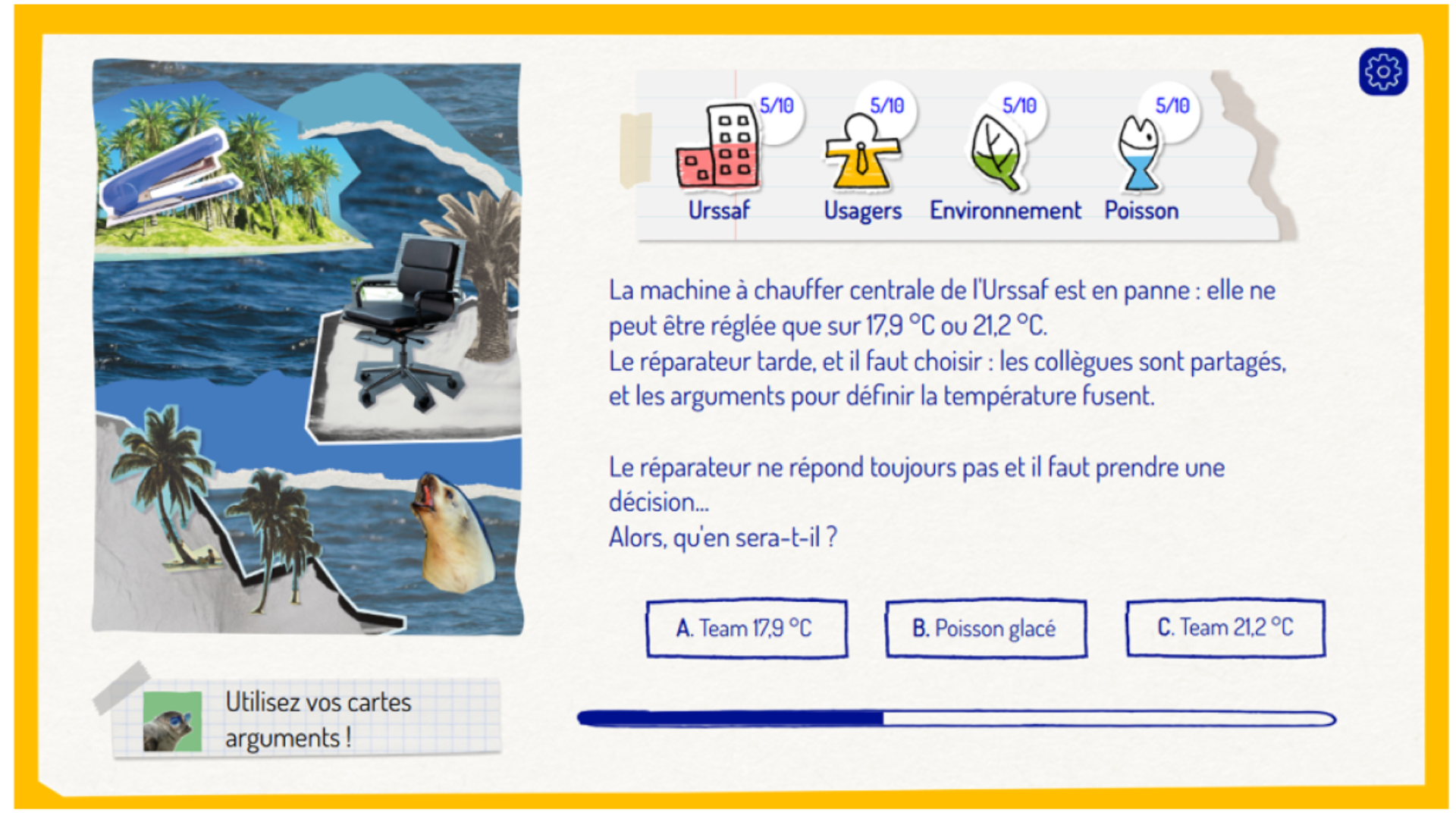
Serious Game URSSAF
In your opinion, what are the advantages of integrating video games and gamification mechanisms into companies?
Games are a powerful teaching tool , even if this is not their primary objective.
Learning is in the DNA of games: when you play, you test, you try, you make decisions, you start again.
With a serious game, we structure this learning around a clear objective and use the game to train, raise awareness and pass on knowledge.
The subjects covered by URSSAF training courses can be highly complex and abstract, and the game will help to clarify and concretize them.
You can't integrate all the educational content into a game, but it's a good way of applying what you've learned or introducing a subject in a dynamic, interactive way.
As far as I'm concerned, games have their place in the workplace, as they're an excellent tool for changing mentalities and facilitating access to information.
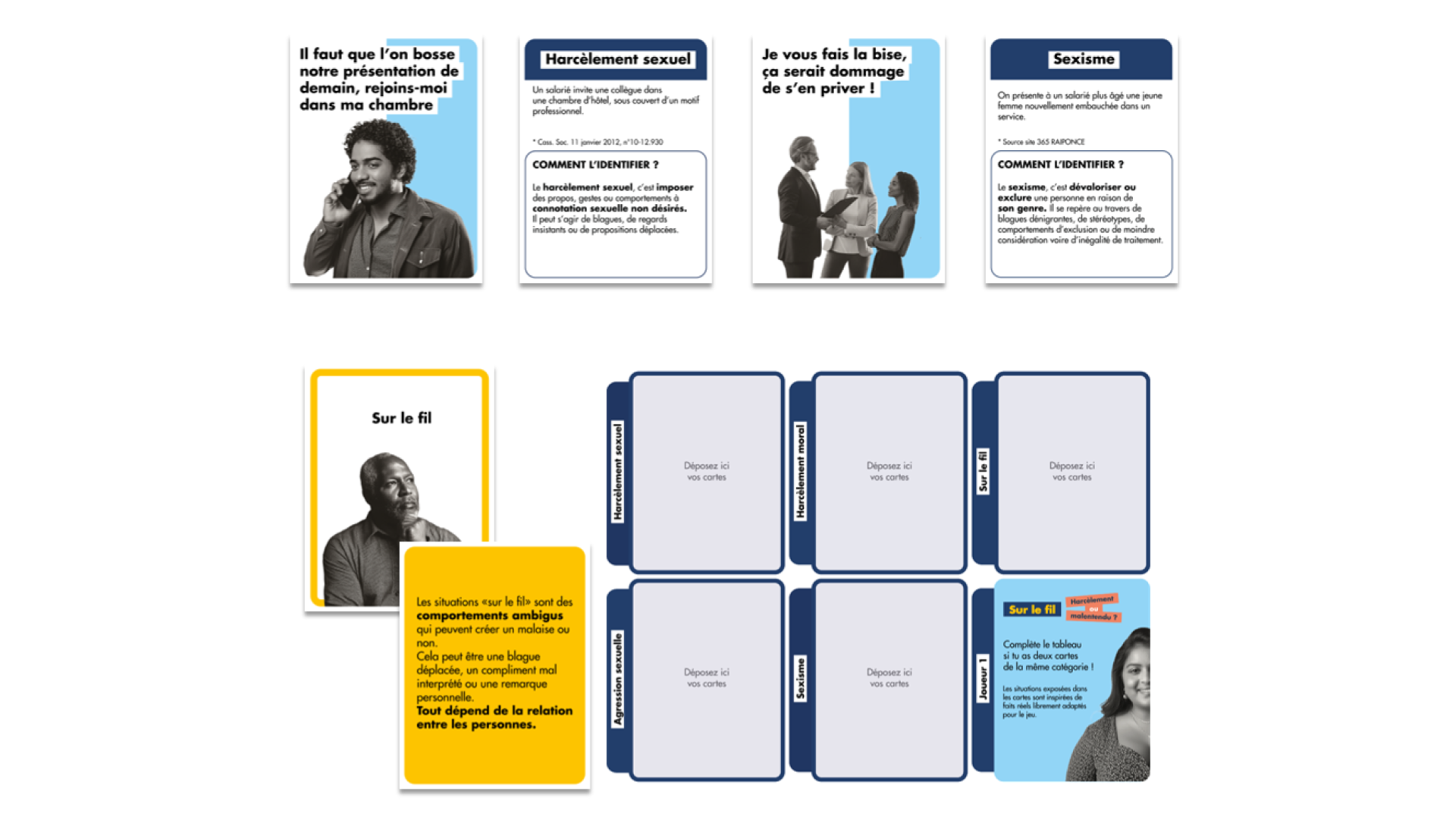
Serious Game URSSAF
What attracted you to the serious game?
I feel very privileged to be able to create games that aim to change mentalities and improve the quality of life at work.
I also have to learn constantly. I immerse myself in a new subject for each project. I'm very curious by nature, so I love this aspect of my work. It's a real challenge to try and make a subject that can be considered boring interesting and fun. I think it's an approach that really makes sense.
If I'd gone straight from GOBELINS to a big studio, I'd probably have had to do a repetitive task all day long, and I'd have had no creative freedom. I've got carte blanche and I can do anything, and that's really precious!
Why did you choose to take the IDE training course?
At my age, I couldn't afford to study for another 3 years, so I needed a short, work-study course, and the training program was just what I needed.
I really liked the idea of looking beyond video games andopening up to the use of games in other fields and with different formats to create immersive interactive experiences.
I'm very happy to have taken this course, which has opened my mind to everything that can be done around games and gamification.
Can you tell us a good memory of the course?
The " Note To Myself " project with Louis Rognon, Pierre-Yves Denonfoux, Léa-Anna Lopes and Achille Roverato really made an impression on me.
We won the Daniel Sabatier prize, which was a real highlight for me. I felt we could make a difference with a play that tackled some pretty emotionally powerful themes, like senile dementia and abandonment. We told a story that everyone could relate to. It was an enormous pleasure for me to work on this game, and it's exactly the kind of project I aspire to create in the future.
It was with "Note To Myself" that I realized I wanted to make games that made sense and created an emotional bond with players.
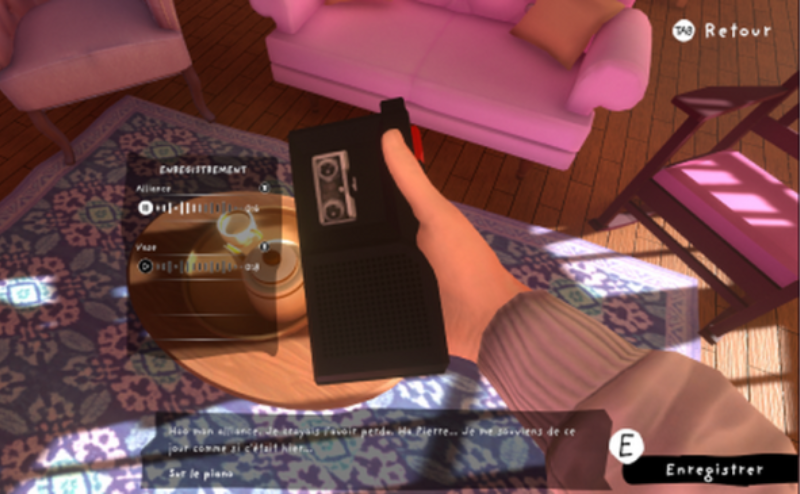
Note to myself" project
What's the number 1 piece of advice you wish you'd received when you left school?
Don't be afraid to take risks and keep an open mind about the potential of gaming itself.
Gaming doesn't stop at video games and big studios. You can make any medium playful, as long as you really create links, meaning and emotion!

 3
3




No comment
Log in to post comment. Log in.