
News
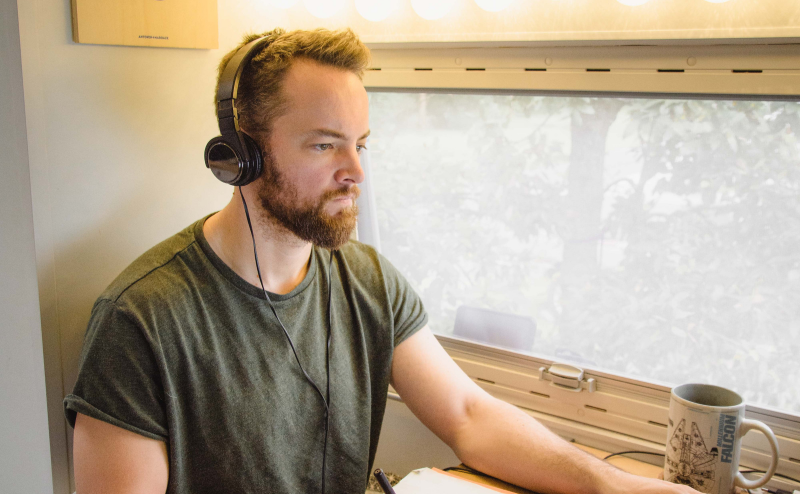
Gilles Kergadallan - Illustrator and Motion Designer
A 2008 graduate of the Concepteur Réalisateur Multimedia program, Gilles Kergadallan discovered motion design during his early years working for creative agencies in Paris. He then launched his own freelance graphic and motion designer business in 2014.
Could you summarize your career path since leaving the school in 2008?
After my work-study program, I was hired by Publicis as a webdesigner to work on media campaigns and tenders for major brands.
Six months later, I moved into motion design, thanks to the creation of a small dedicated department initiated by the creative director and my team leader, to whom I owe a lot.
Motion was still in its infancy, and we trained ourselves as autodidacts through online tutorials, experimentation and exchanges.
Three years later, I joined Ventes-Privées (now Veepee), where I stayed for two years. With substantial technical resources, it was a real playground : we imagined and produced trailers for sales, in 2D, 3D or live action, with great creative freedom. I met many talented creative people from different backgrounds, who opened my eyes to new approaches and graphic worlds.
After a brief stint in a small motion studio, I went freelance in 2014. At the time, the demand for motion design was high and there were still very few of us on the market. It was also the golden age of Vimeo, where a personal project could quickly lead to new assignments.
I'm still a freelancer today, although my profile has evolved.
What made you decide to specialize in motion design and illustration?
Initially, I was mainly attracted by the technical side of things: I tried out 2D, 3D, stop motion... before realizing thatwhat mattered most to me was the creative process itself.
Today, I do fewer full 3D projects for clients and prefer animation or illustration. Giving life to a visual or an idea, building each element almost like a craftsman, is a great source of satisfaction for me.
Over time, I've also realized how much I love to keep learning. In fact, that's one of the riches of motion design: customers' worlds and needs are often very varied, which constantly renews the profession.
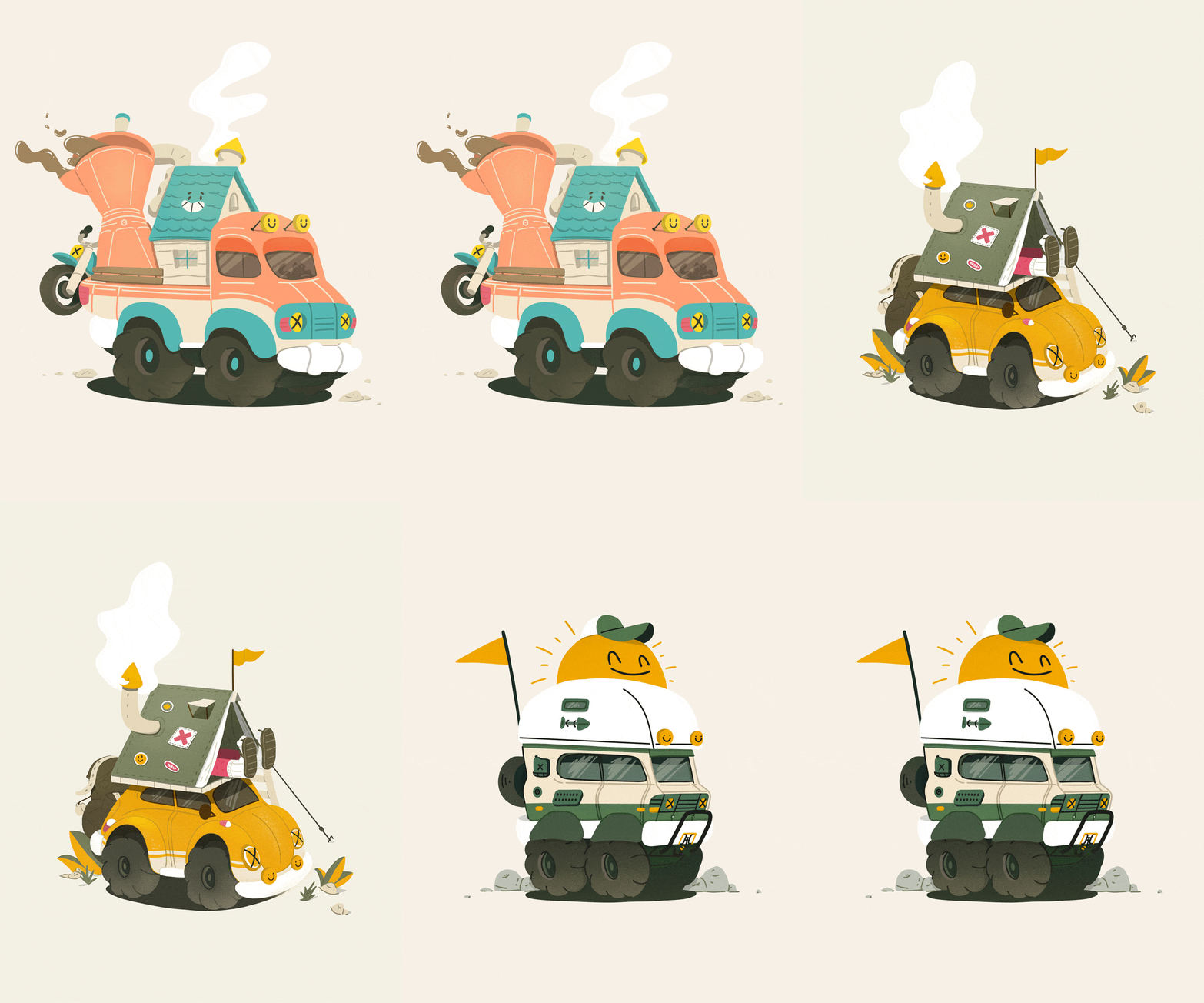
Personal vanlife project
You lived in a van for several years. How did you organize your work during this nomadic period?
There was no set schedule, it was more organic. I've known some people in a van to reserve their mornings or afternoons to work, which can also be an effective solution for remote workers.
For my part, I mainly took advantage of contract slack periods to visit and enjoy the places where we were based. The experience also came close to expatriation at times, as we stayed in Spain for almost a year, for example.
At the end of the day, instead of taking public transport or driving home, we could sometimes go to the beach or take a short walk in the mountains!
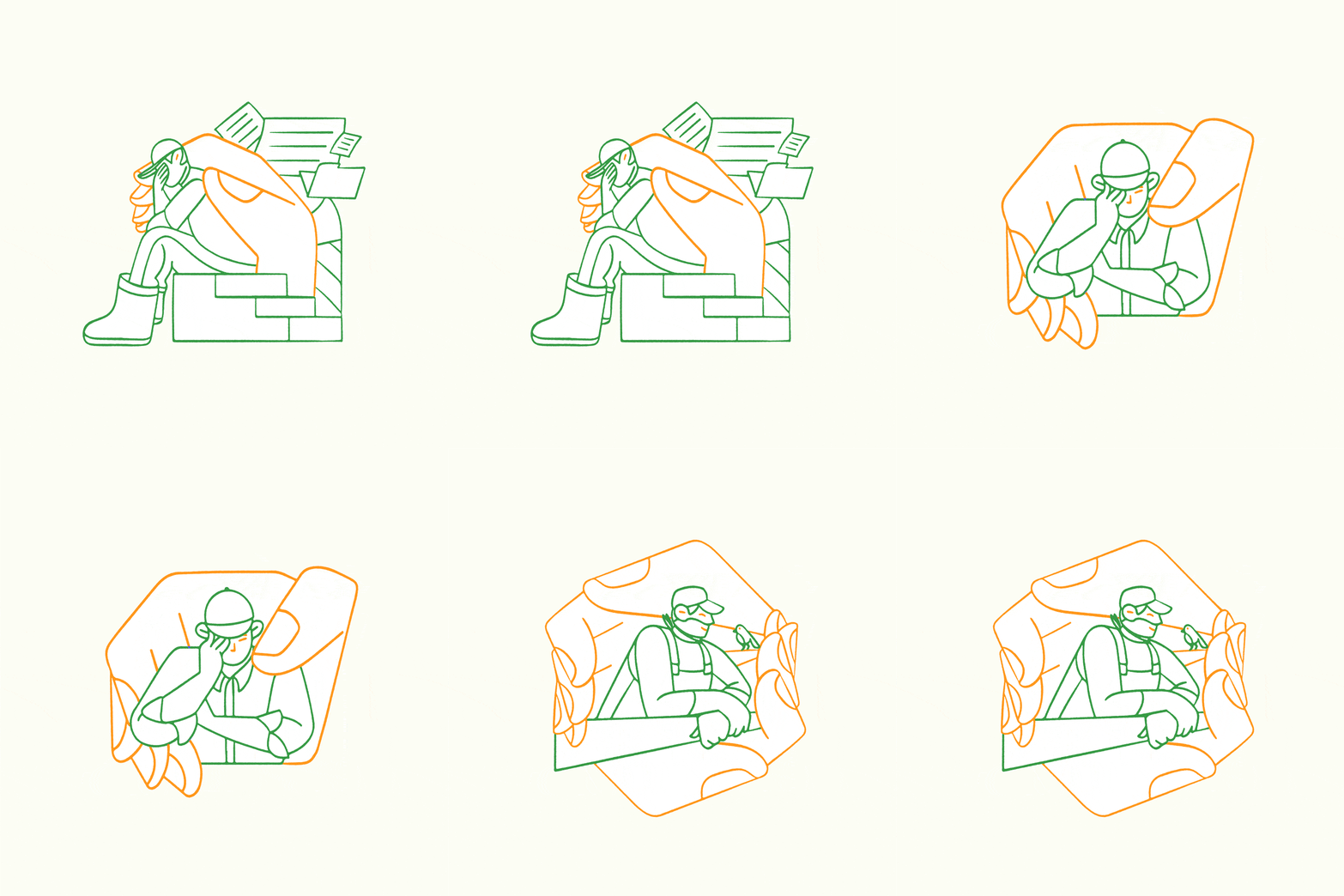
Customer order around agriculture
What attracted you to the digital nomad lifestyle?
Getting away from the traditional model of working in an office, with imposed working hours, was a breath of fresh air.
The experience allowed me to question models that I had previously considered unchangeable. I discovered a more balanced life and realized that a more modest lifestyle doesn't mean you can't be happy. But that was before confinement, which then reshuffled the deck.
I also realized that, in my profession, working remotely or locally didn't make much difference.
These lessons still influence the way I work today. What's more, these questions are increasingly present among the new generations.
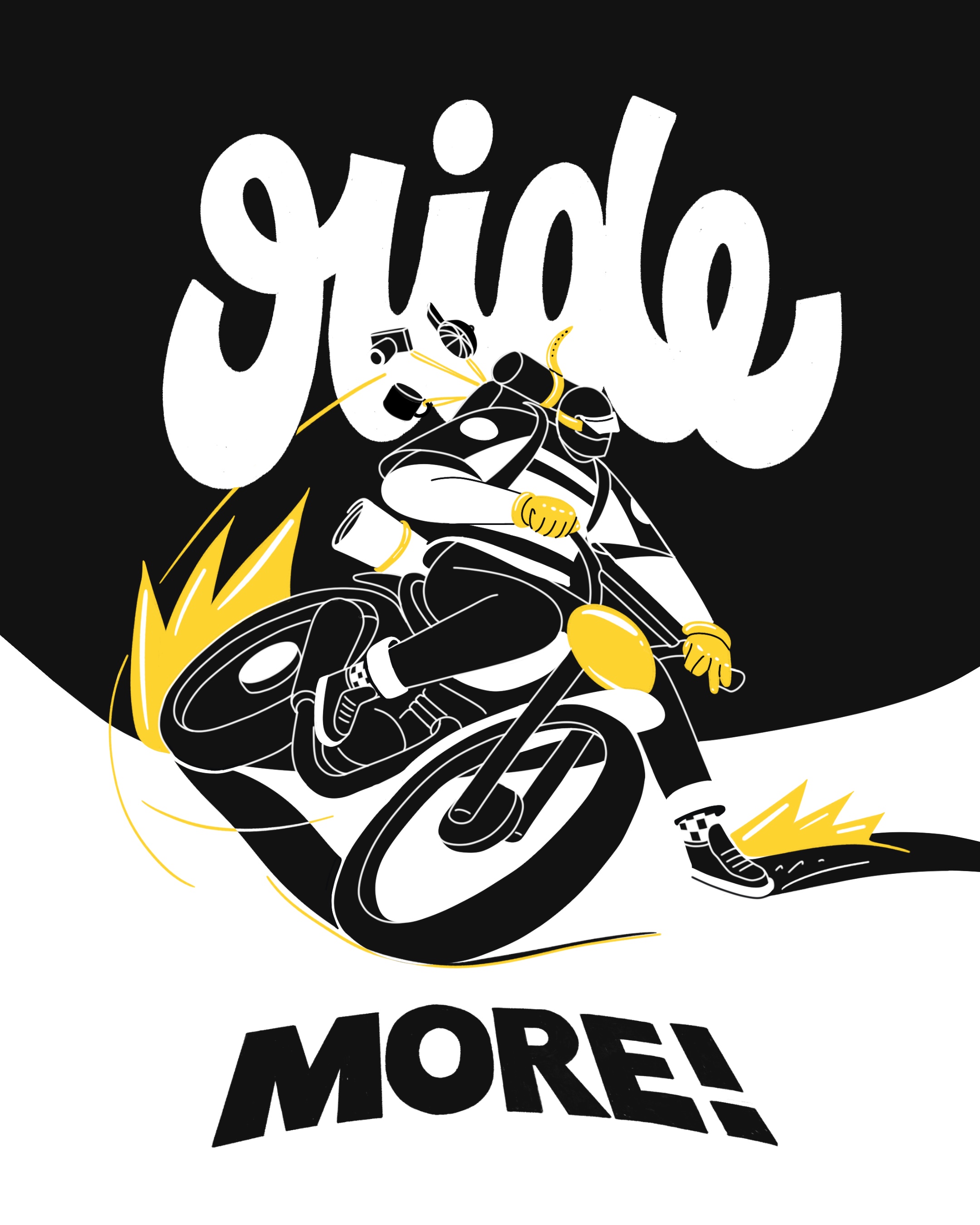
Personal motorcycle project
You've recently launched your newsletter. How do you use it to fuel your business?
I was frustrated at not being able to delve deeper into the subjects that make me think about my profession and about creation in general. Social networks emphasize short content and quick consumption, and you lose a bit of the depth (and also the veracity) of things. The newsletter, on the other hand, allows you to link to studies or articles, which is impossible on Threads, Instagram or LinkedIn.
The desire to free myself from the networks also weighed in the balance: our visibility depends too much on algorithms and their evolution, rarely in our favor.
Beyond my reflections on the profession, I also share my discoveries from my monitoring. Writing this newsletter forces me to dig deeper into subjects, to keep my curiosity alive.
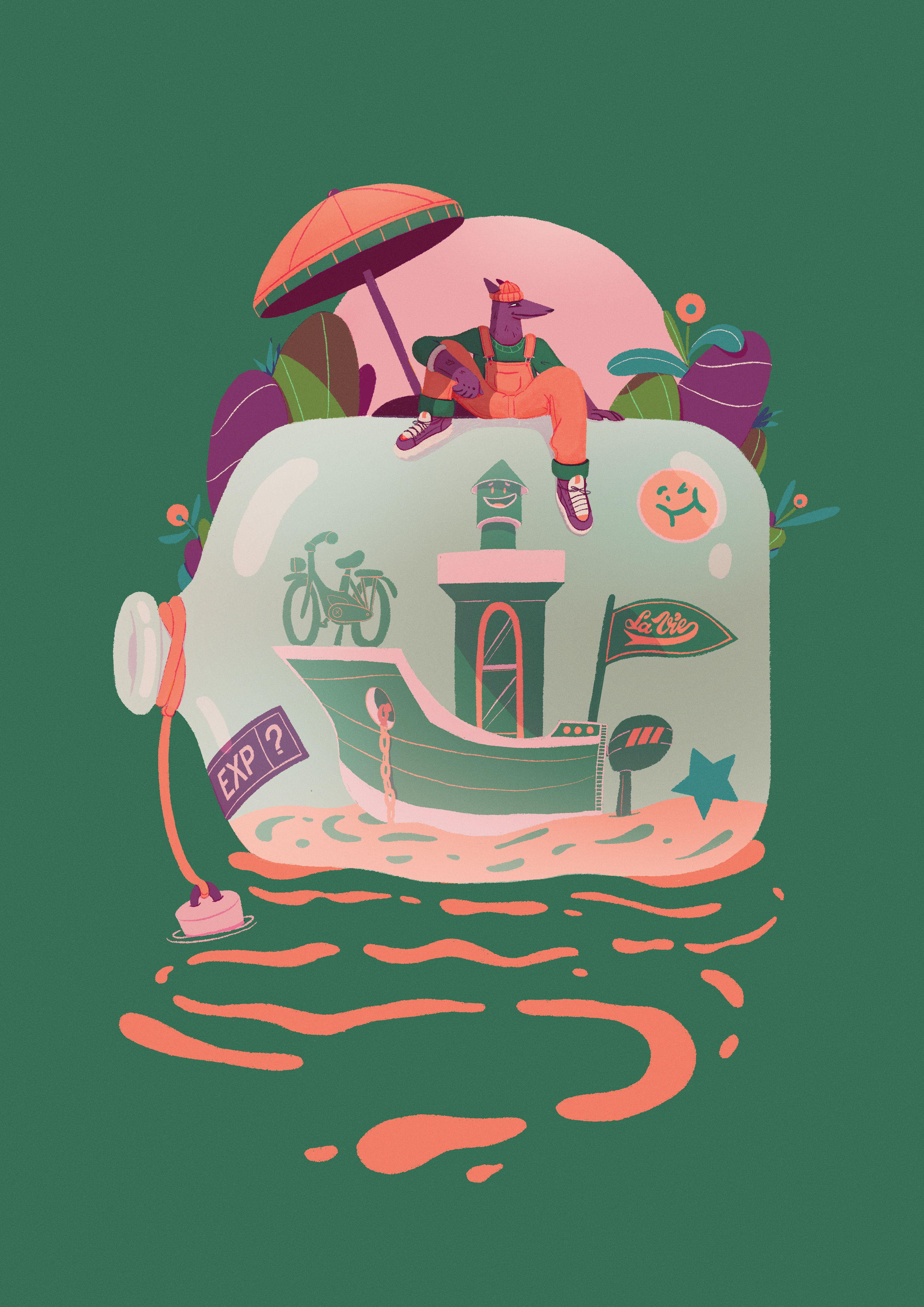
"BoatLife" - Publication for Erratum Magazine
How did you build up your customer base?
Initially, it was mainly thanks to my network: old colleagues from my agency days, my former classmates from GOBELINS or DUT SRC.
I was lucky enough to be part of the first generation of motion designers in Paris. At the time, there weren't many of us, to the point where we didn't even have to canvass: we just shared the contracts that each of us couldn't handle. That's how I got listed with a number of Parisian agencies.
I was already actively monitoring Twitter, which kept me visible to agency decision-makers. I then transposed this presence to LinkedIn, posting regularly.
Today, I have repeat customers and others who recommend me to their contacts. You have to be in a prospecting posture, and think about "existing" on the platforms to stay in the minds of potential customers.
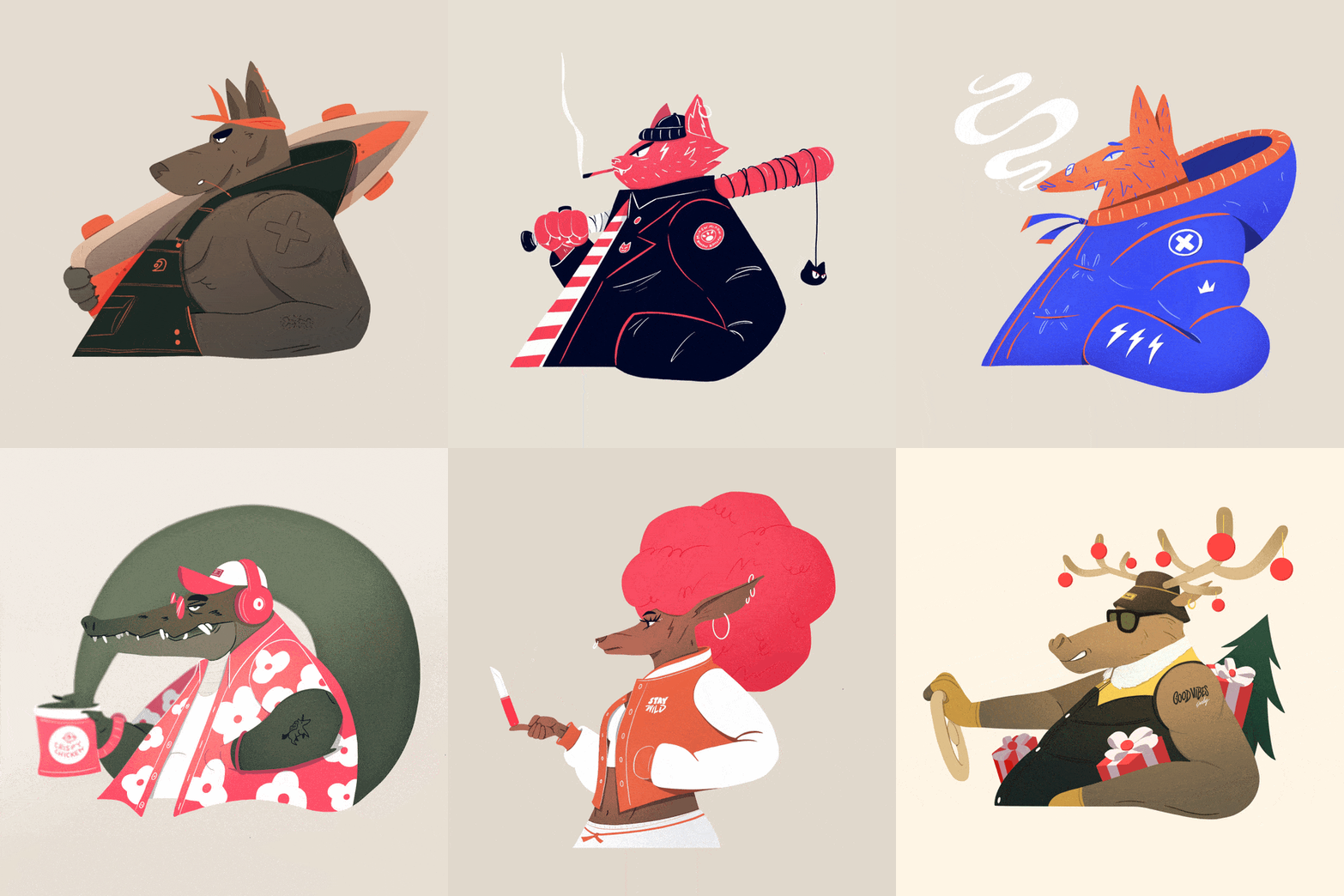
"StreetBeast" - personal project
How do you see your career, and more generally your profession, developing in the years ahead?
I think we're in the middle of a period of transformation for the profession, with AI, increasingly powerful and automated tools, the evolution of social networks, tougher competition.
It's pretty hard to imagine the trajectory the profession will take, but for me the use of human supervision will always remain essential for companies to stand out artistically and strategically.
For my part, I have an increasingly global vision of projects. I understand my customers' challenges from a commercial, marketing, creative and communication point of view.
It's something that's an integral part of my life, even in the personal sphere." Over the last few years, I've returned to exploring more artistic practices, first lettering, then illustration, while at the same time taking on personal projects further removed from graphic design, such as motorcycling and 3D printing.

Mon Fourgon Shop - customer order
What does GOBELINS mean to you?
My first love, and my discovery of the school, are the end-of-year short films in the Animation section. I still watch them, and I'm still fascinated by the talent of the graduating classes.
Looking back on my experience in the CRMA master's program, I'd say that GOBELINS also offers solid training and an international reputation that opens many doors, both in terms of employment and networking.
What advice would you give to a recent graduate?
Spending a few years as a salaried employee is very useful. Even if the job market can be difficult, it allows you to understand project processes and the workings of different trades, and to learn from the experience of others. This experience is invaluable when you become a freelancer and have to wear several hats.
It's also essential to find the mode of operation and type of project that suits you, according to your artistic aspirations and lifestyle.
And finally, it's important to continue working on personal projects throughout your career, to keep the creative flame burning, to explore, to enjoy yourself and, in the best case, to open up new professional opportunities.
 1
1


No comment
Log in to post comment. Log in.