
News
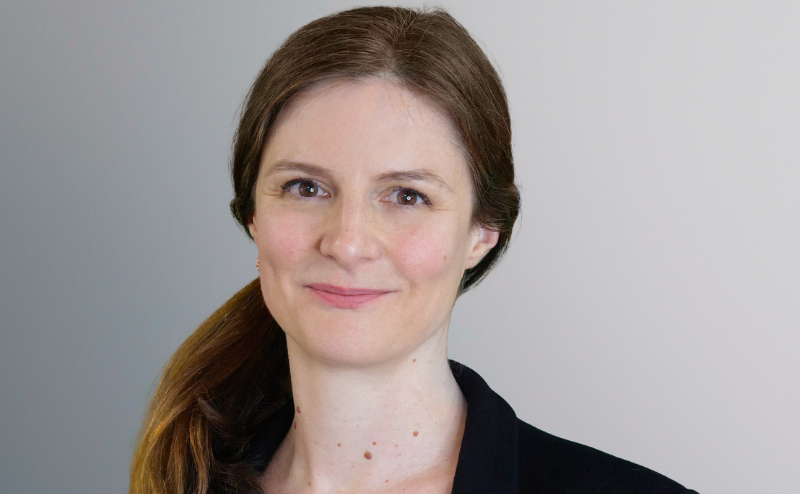
Starting out as a freelance: advice from Myriam Charvet, multidisciplinary designer
Graduating from the Licence professionnelle Création et Développement Numérique en Ligne in 2004, Myriam Charvet began her career as Junior Digital Art Director at Publicis Net before moving on to become Senior Digital Art Director at Ogilvy One.
In 2011, after a burn-out, she decided to leave the agency world and launch her own freelance multi-disciplinary designer business.
Now a freelancer for some fifteen years, she shares her experience and advice with us.
How do you develop your network?
Start with work experience
My years in the corporate world enabled me to build up my network and structure my thinking and working methods. When I launched my business, my network was essentially made up of the contacts I'd made over the eight years I'd spent working in agencies.
It's also very instructive towork alongside more senior profiles. You learn a lot by observing them, by taking their advice; a form of mentoring naturally sets in.
Working with a creative director allows you to get feedback on your projects, to be sharpened up. It's great to have this exchange and to be able to take a step back from your work.
Maintain your network through your contacts
I've nurtured my network by taking part in training courses, events, after-works and round tables on subjects that interest me.
The network can also grow through personal encounters. I often work for people I know who need a logo, for example. I also found work thanks to two friends from GOBELINS.
I've never really had to look for work, but the downside is that I don't get to choose my clients, and I can't turn down projectsif I don't want to be considered next time.
People often think that freelancing is synonymous with freedom, but you can't afford to turn down every project or rush your work. When you're a freelancer, you don't have the right to make mistakes, otherwise you won't get called back.
Take office space to get out of the house and structure your day
I went back to the office after the covid because I was bored, I felt like I was always confined! When you're a freelancer, having an office means you can get out of the house and meet your colleagues. I need that contact, and videoconferencing isn't enough for me.
I share an office with an Art Director specializing in visual identity and a motion designer/video editor. The other big advantage of offices is thatwe bring each other work!
Using a freelance agency
When I started out as a freelancer, I went through a freelance agency, which gave me a lot of assignments on a commission basis.
Agencies often impose a non-competition clause, but it's a good way of gaining experience without having to prospect on your own. The agency takes care of negotiating with the client, based on the rate we specify.
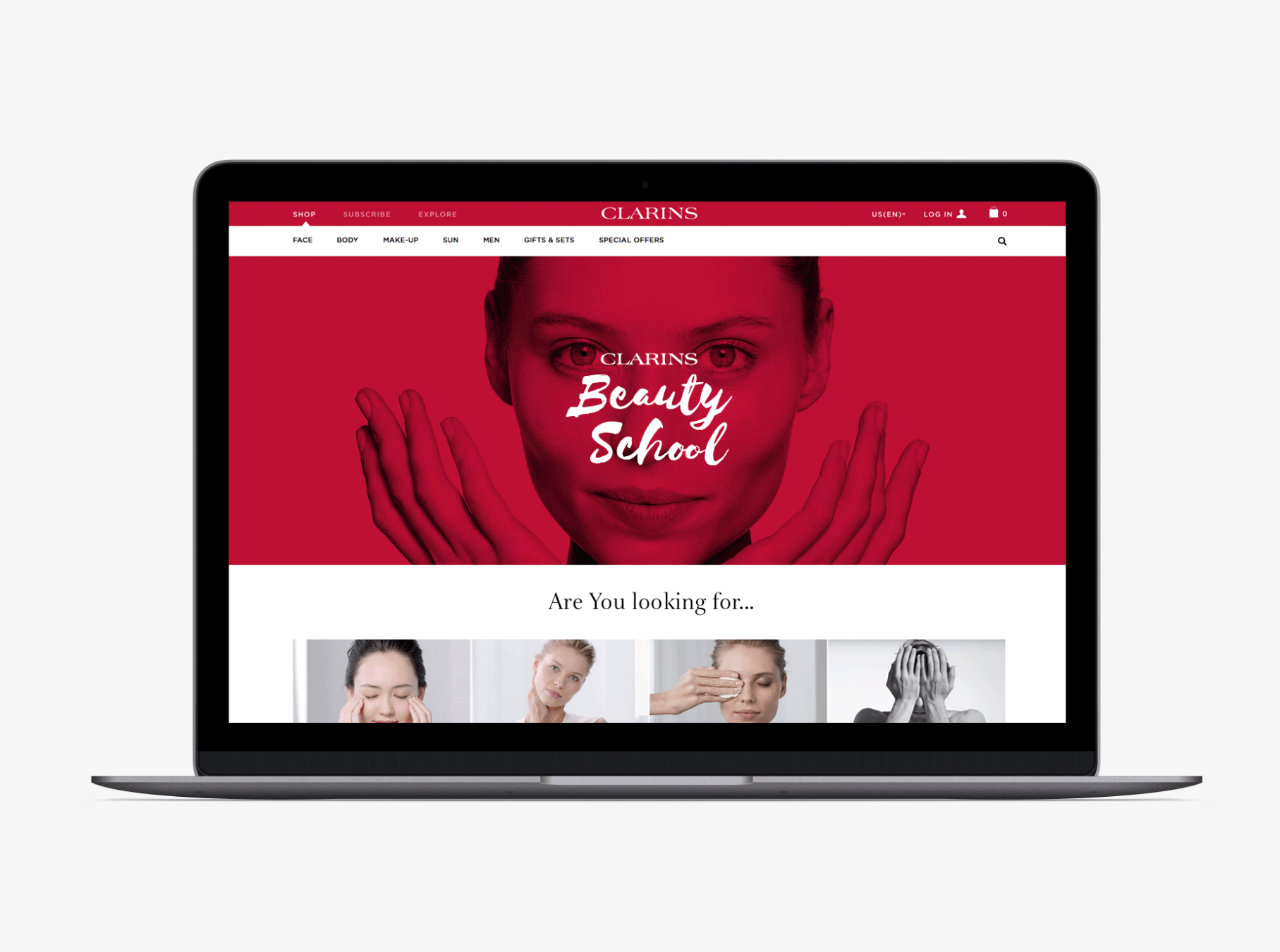
DA and wbedesign for Clarins : Myriam Charvet
How do you organize your work?
Structuring your working time
I don' t really have a typical day, and that's what I like about freelancing.
My organization depends a lot on the project:
- at the day rate, my day is fairly structured, with meetings, as if I were an employee;
- when I'm working directly for a customer , I can organize my day as I like, andI put in ultra-efficient 6-hour days so I can go swimming or see exhibitions.
I'm also a musician, playing in two bands, so I take advantage of my quieter periods to make progress on my compositions and dedicate a day to music and rehearsals.
It's important to have a structure. Freedom can be exhausting, and you have to be able to impose limits and constraints on yourself.
When I'm not very motivated (typically on Mondays) I go to the office to avoid distractions!
Maintaining a balance between work and personal life
I'm pretty happy with my work/life balance. Before, I tended to accept all projects, but you also have to know how to preserve yourself and take vacations.
This balance allows me to reconcile my work and music. In fact, my work as a musician feeds into my work as a designer.
There are a lot of similarities between musical creation and graphic design. There are the same thought processes. I was able to train in video clip art direction and editing, two skills I can sell today.
Music has also enabled me to explore different software. Software is like foreign languages: the more you know, the easier it is to master new ones!
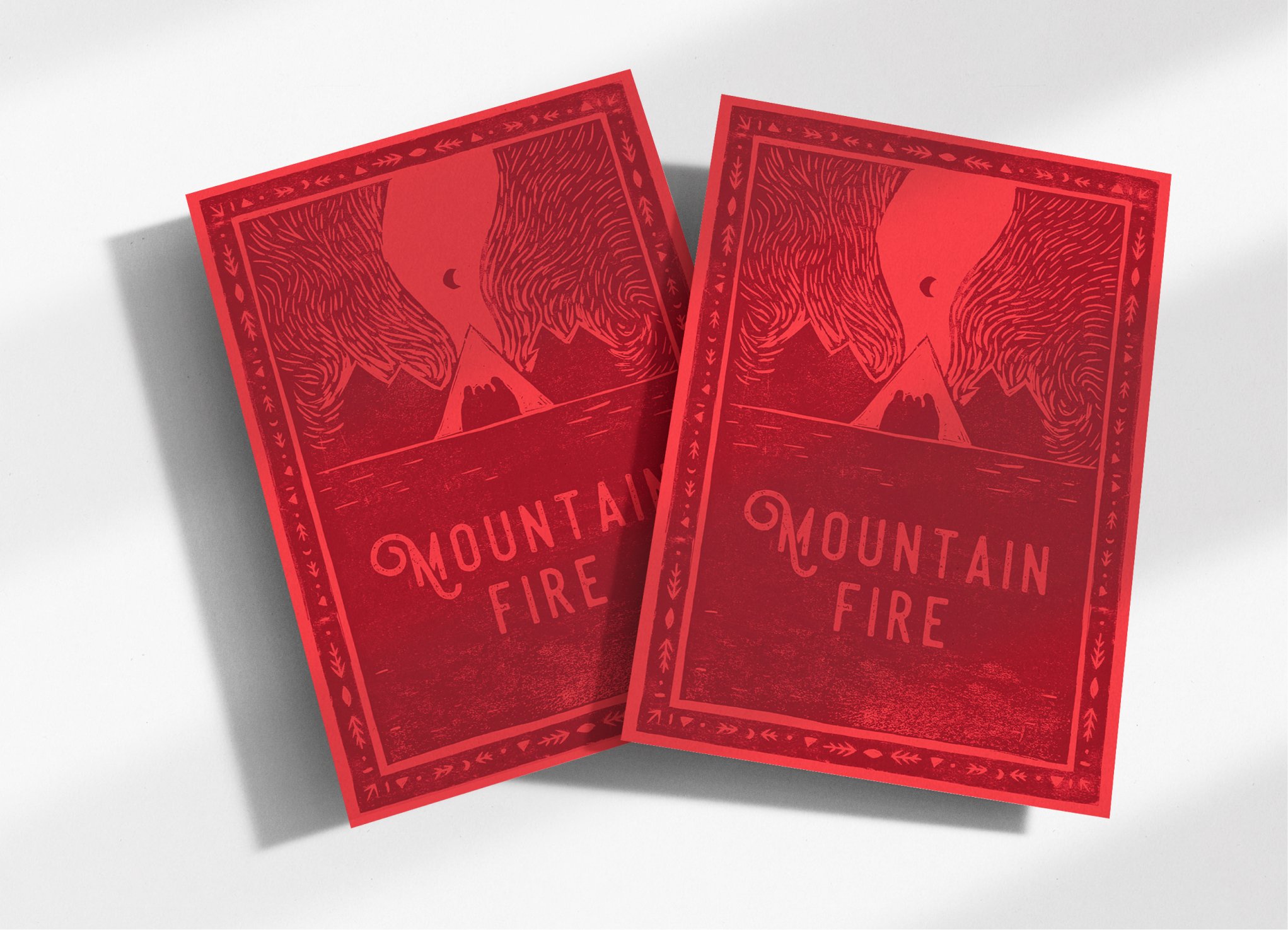
Visual identity and global design for Moutainfire - Myriam Charvet
Mistakes to avoid when starting out
Keep your accounts separate
Be sure to open two separate accounts and set aside the money you owe for tax and VAT.
Freelancers are not eligible for VAT in the first year, but you need to think about saving this money for subsequent years.
As soon as I started my business, I created an account dedicated to Urssaf charges and VAT. For me, it's too dangerous to put everything in the same account without distinction. The charges are deducted at year +1 or +1.5, so if you haven't thought about putting this amount aside, it's a disaster!
Quotes that are too low
I still sometimes underestimate my quotations, so I try to systematically add 20% to the final amount to remedy this.
Your rates show your expertise. Customers will respect you more if your rates are high. We've all done free or low-paid jobs that turned out to be hellish experiences!
You should also remember to include acceptance and meeting times in your quotes. Meetings can quickly account for 20% of working time when you're not on a fixed day rate.
Display day rate in quotations
When I work directly with customers, I never include my day rate on the quote. Instead, I propose a global package with a breakdown of services.
The day rate can scare off customers who don't immediately perceive the added value represented by your experience and level of seniority compared to a less expensive service offered by a junior profile.
Getting started without cash
You don't get unemployment when you're a freelancer, so you need to have your own safety net in case of slack periods.
I recommend having at least six months' cash on hand for peace of mind. Some customers pay within 90 days, even though this is forbidden. Without a financial margin, these delays can quickly jeopardize your business.
Dependence on a single customer
It's crucial to diversify your network so as not to depend solely on one or two customers.
When you're a single customer, you run the risk of finding yourself with no income and no network overnight. Building up a varied network helps to secure your business over the long term.
Don't think about retirement or contingency plans
I've taken out a supplementary pension and provident fund. As a freelancer, you only receive social security benefits in the event of a serious incident.
You also need to be careful about the status of "auto-entrepreneur". It may be tempting at first, because of lower charges, but this status was not created for long-term activities, and pension contributions are not at all advantageous.
TO FIND OUT MORE







No comment
Log in to post comment. Log in.