
News
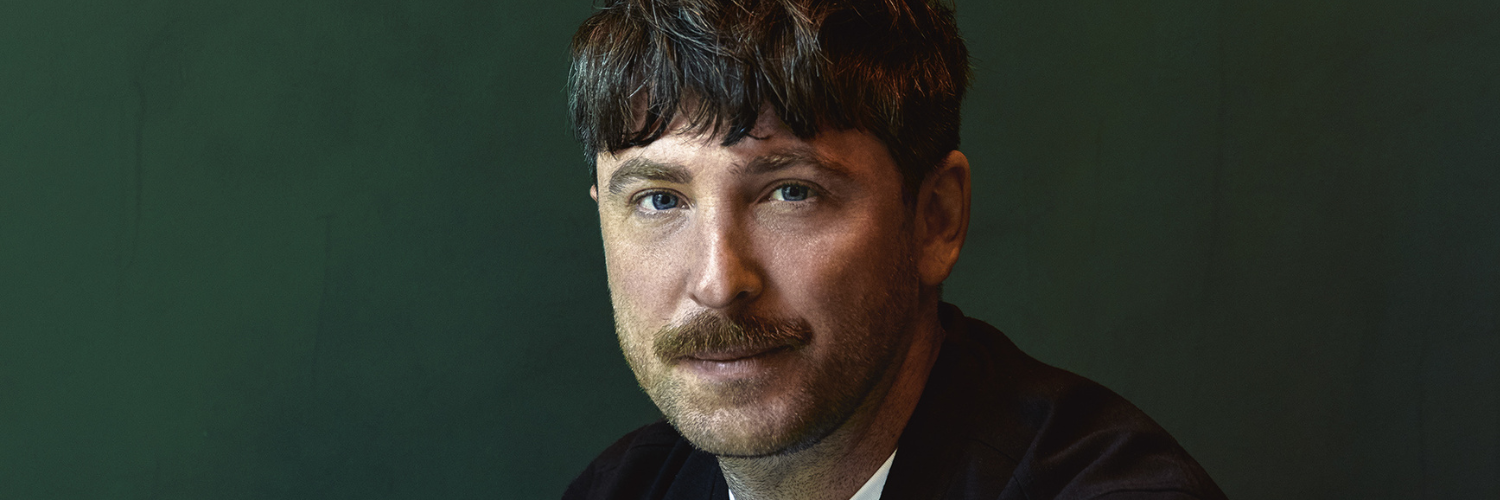
Interview with Guillaume Dousse, co-director of the "Splinter Cell: Deathwatch" series
Guillaume Dousse graduated from the Master in Character Animation and Animated Filmmaking in 2013 . After working for several years at Sun Creature as co-founder and Creative Director, he set up his own creative studio, Aesten.
"Splinter Cell: Deathwatch the series he co-directed with Félicien Colmet Daâge for Netflix and Ubisoft, is available today on the platform. Based on the video game of the same name, the 8-episode, 22-minute action-thriller was created by Derek Kolstad.
Initially hired as production designer, Guillaume Dousse was soon entrusted with directing the entire season. Today, he looks back on this experience for the GOBELINS Alumni network.
How did the project come about, and how were you approached by Netflix and Ubisoft?
We were already in contact with Netflix when I worked at Sun Creature, and it was thanks to them that we were put in touch with Ubisoft.
The project was still in its infancy. Derek Kolstad, the screenwriter of "John Wick" and "Nobody", had at the time written the literary bible, outlining the main themes and characters of the series.
I was creative director of Sun Creature at the time. I proposed an art direction for the project to Netflix and Ubisoft, and then started working on the project as production designer. In particular, I oversaw the design of characters and environments to give an overall idea of the show's aesthetic. Following this visual development stage, Netflix and Ubisoft asked me to design the entire series!
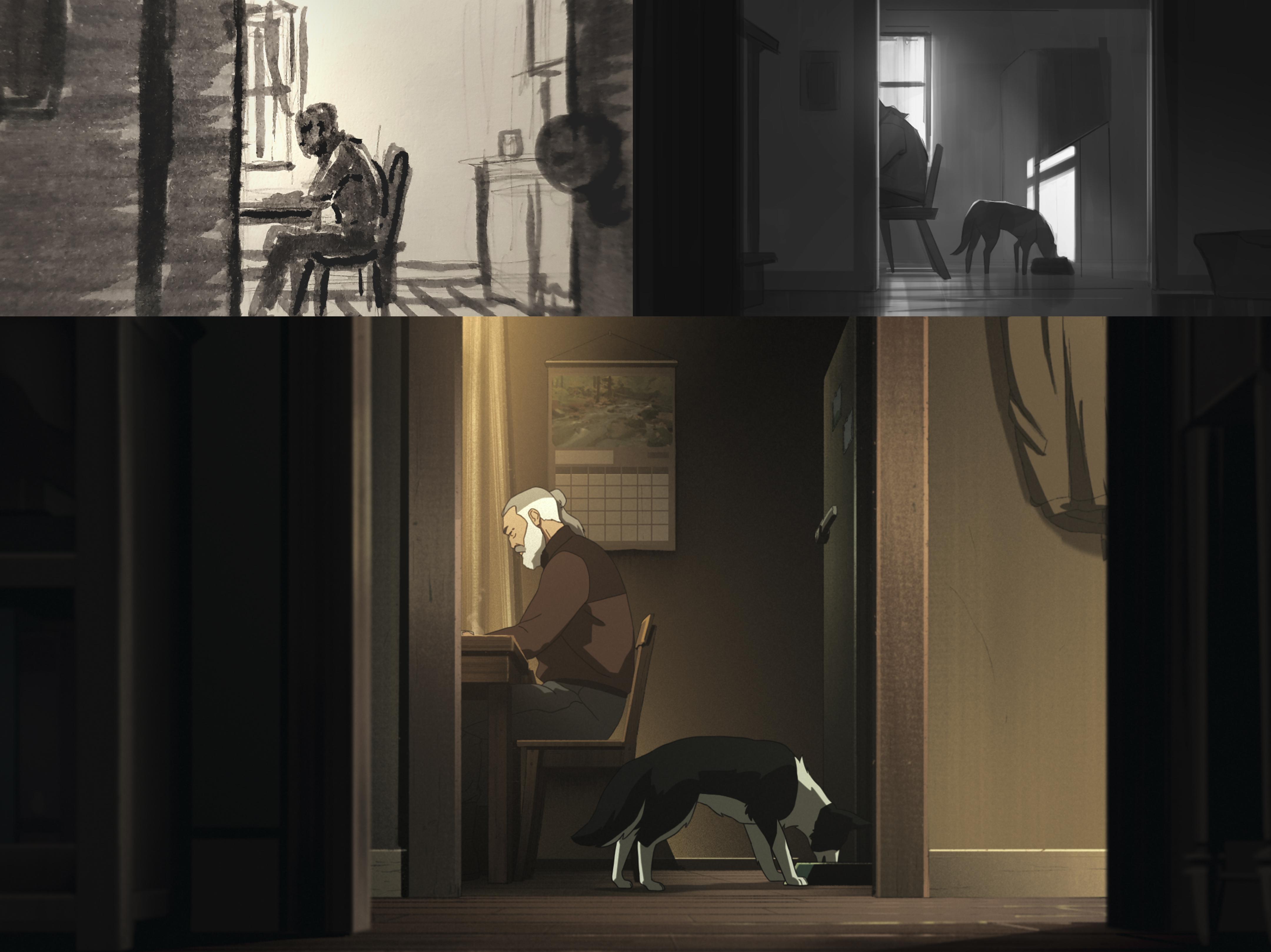
"Splinter Cell: Deathwatch - step by step
What are the main challenges involved in adapting a game?
The series is the first adaptation of the Splinter Cell franchise.
The first difficulty in adapting a video game is to successfully transform the game's codes into plans for telling a story. When you play, you're in the 3rd person, immersed behind the character. With a series, the rhythm isn't the same, and the viewer doesn't have control over the character. You have to be able to convey the atmosphere and sensations of the game in a different way.
We also had to take care to integrate the emblematic elements of the franchise into the series, such as Sam Fisher's night vision goggles.
As the series is aimed at an adult audience, we wanted to anchor it in a realistic contemporary universe. We worked hard with Ubisoft to make the series as credible as possible.
What were your graphic references for the characters and backgrounds?
I drew a lot of inspiration from theJapanese films of the 90s, particularly the films of Satoshi Kon, and his approach to animation, which is very close to the language of live-action cinema.
The series as a whole is strongly inspired by live-action cinema, in particular the films of the 90s and early 2000s and their highly polished photography with a very realistic urban ambience. I had suggested to Netflix that we create a universe halfway between Satoshi Kon and Michael Mann.
Some directors use a long focal length to create a blurred effect and bring the settings and characters closer together, and we tried to transpose this effect into the series. There's also a lot of fixed-frame work, with very little camera movement in the series.
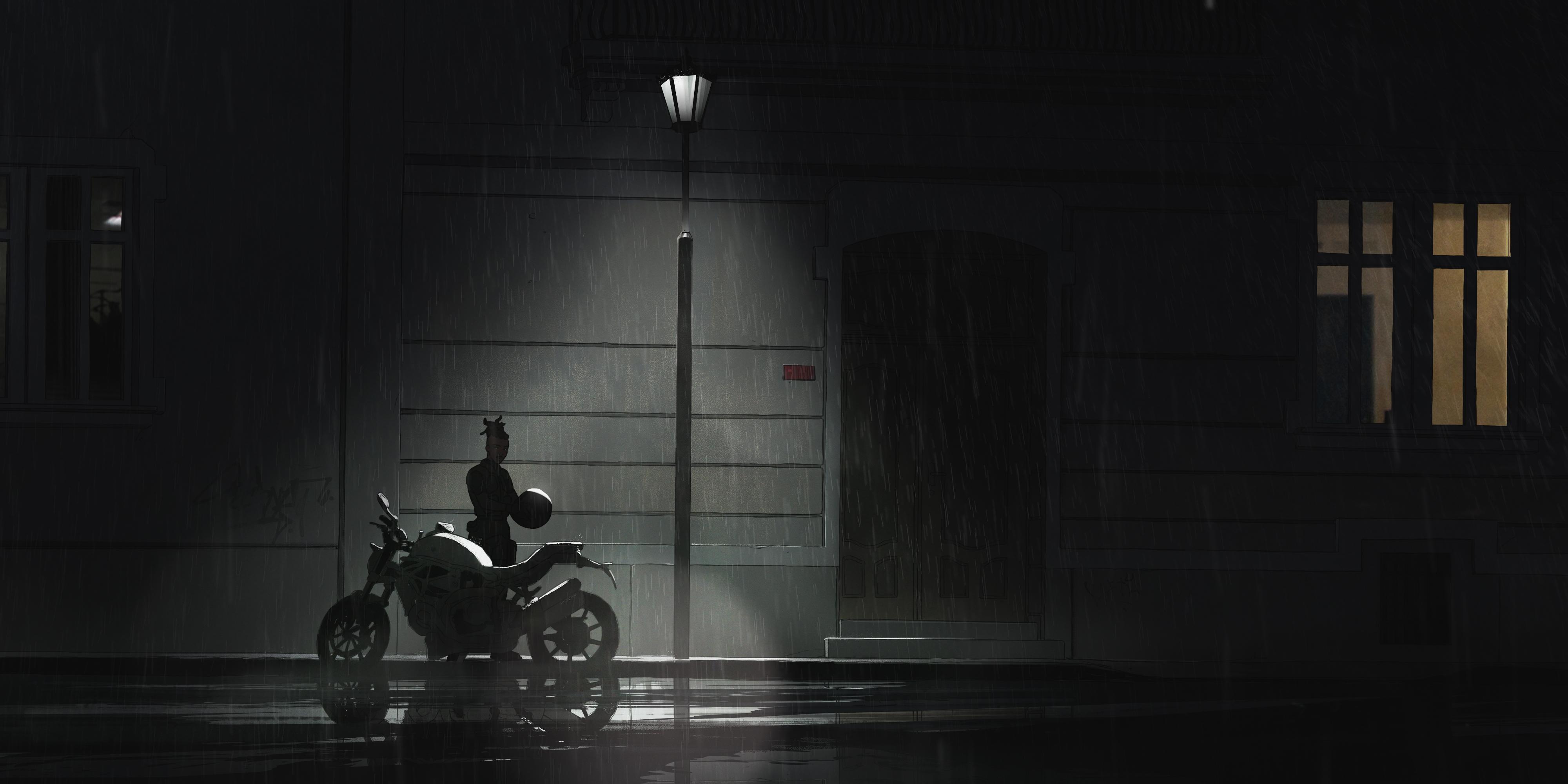
"Splinter Cell: Deathwatch" concept art
Did you work with GOBELINS alumni on this project?
When the project started, we had already been working with GOBELINS alumni for 5 or 6 years at Sun Creature.
This project was an opportunity to work with alumni with whom I had never collaborated before , but whom I already knew.
Several alumni worked on the concept and development, on the set and designs... but also in positions of responsibility such as animation supervisors and animators.
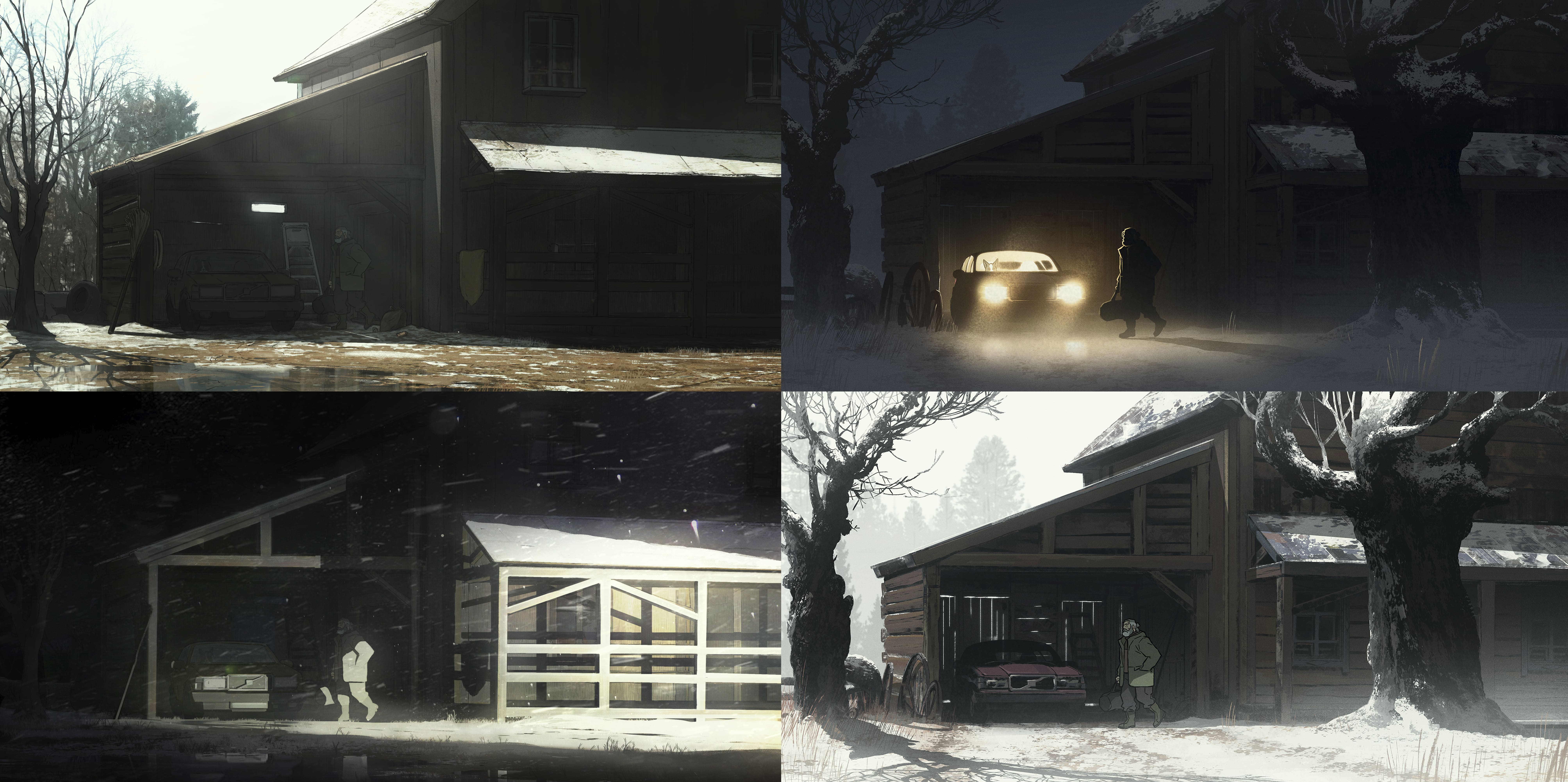
"Splinter Cell: Deathwatch" - concept mood and lighting
What does "Splinter Cell" mean to you?
I played the game a lot when I was younger. I must have been 11 or 12 when the first "Splinter Cell" games came out. They made a big impression on me, and I've always appreciated infiltration games in general for their very cinematic style.
The series allowed me to immerse myself in this universe.
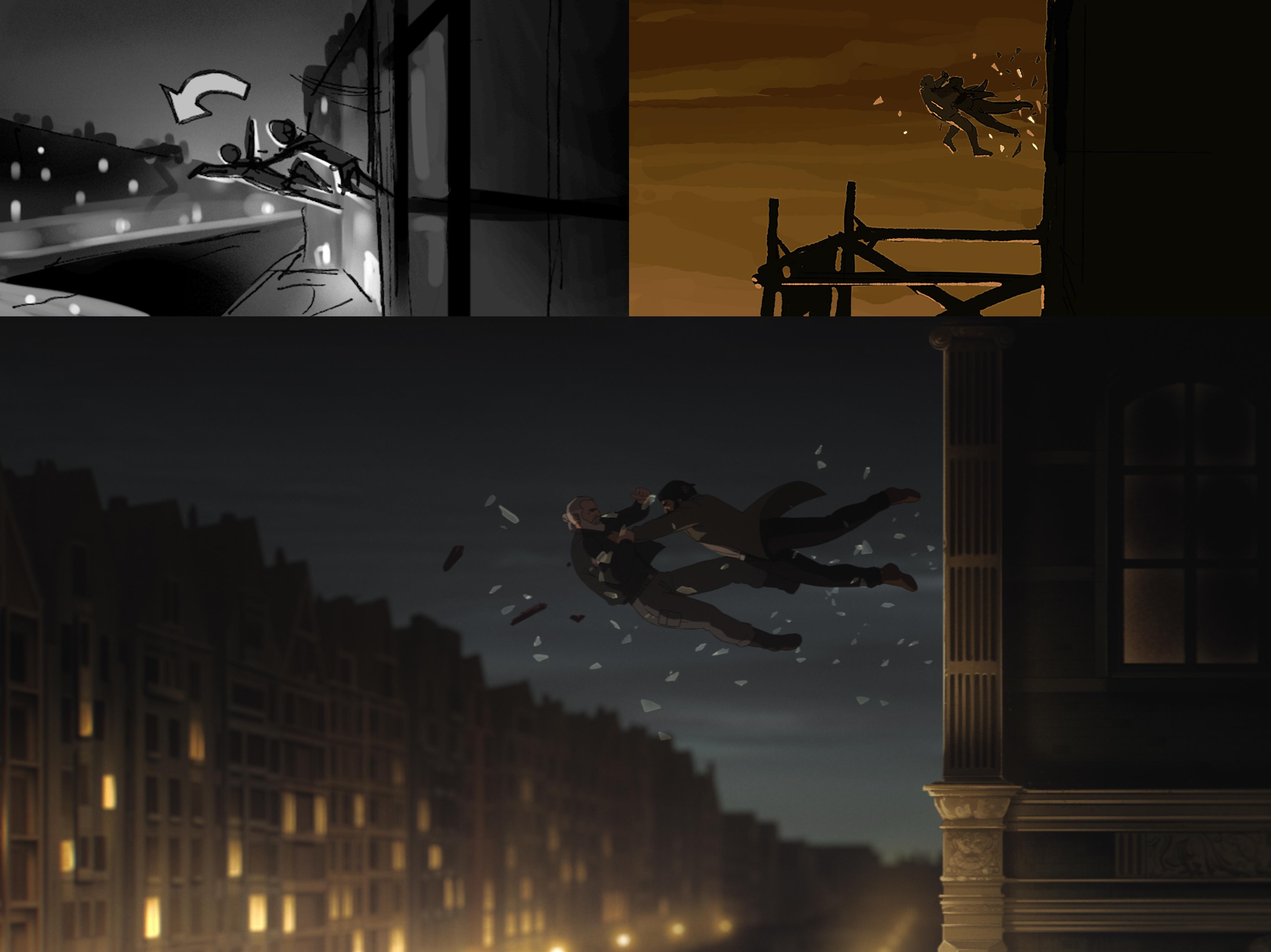
"Splinter Cell: Deathwatch - step by step
What techniques did you learn at school that you still use today?
When I arrived at GOBELINS, I didn't have an animator's profile, I was more interested in visual development and art direction. I learned the whole animation process by making my graduation films, and that's why I wanted to go to GOBELINS.
The school also enabled me to develop art direction, set design and compositing.
When I started the series I came with my experience as an art director, thinking first and foremost about framing, lighting and setting up scenes. My experience at school was very useful for the very cinematic intentions at the storyboard stage.
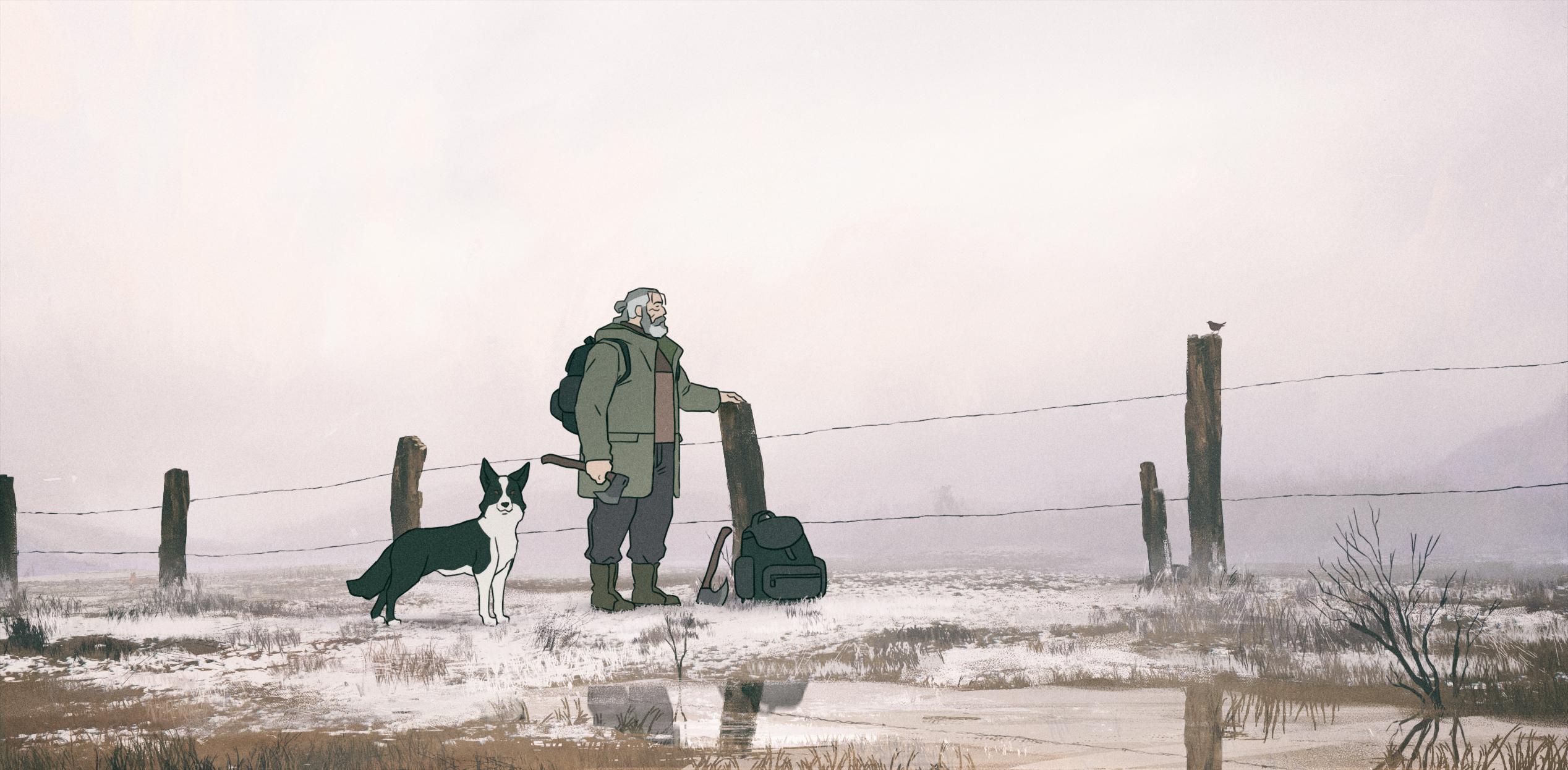
"Splinter Cell: Deathwatch" concept art
Which stage of the creative process has had the greatest impact on you?
I come from a visual development background, so the phase of exploring and defining the aesthetic and overall framework of the show is the one that drives me the most. It's the stage where you can articulate all the intentions and collaborate with artists, who are often much better than me in many areas, to bring the project to life.
I learned most about the directing phase, between writing, storyboarding and editing, which required a certain agility, as there were constantly 4 to 5 episodes open at different stages of progress. It's a real pleasure to see when everything comes together in editing and starts to work!
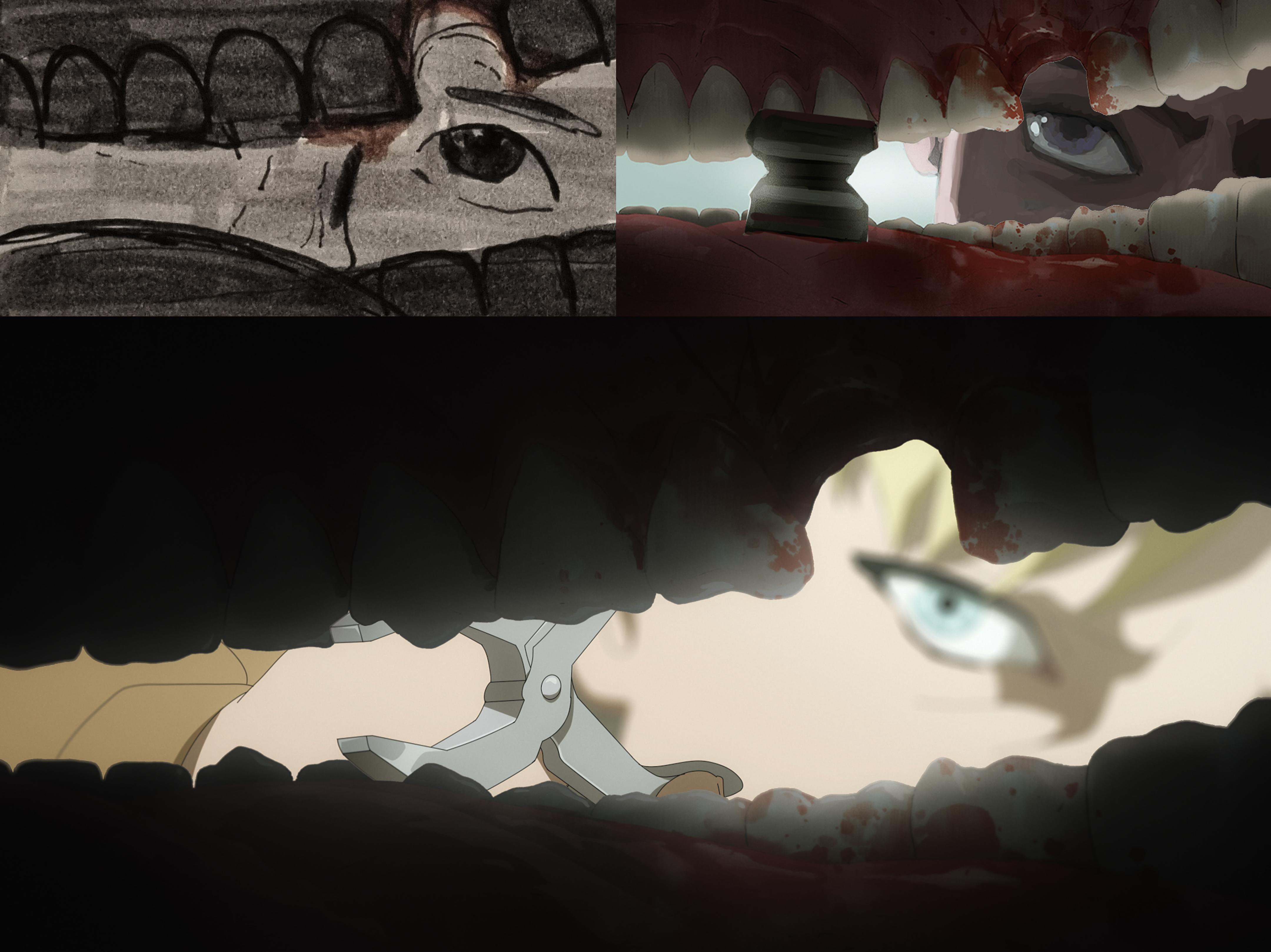
"Splinter Cell: Deathwatch - step by step
What advice would you give a young graduate on how to break into today's animation market?
The most important thing is to create a network. Animation boomed a few years ago, but has been slowing down for a while now. For the time being, artificial intelligence hasn't yet turned production pipelines upside down, but we may get there.
In my opinion, to face up to this, we need to be able to offer more creative value and concentrate on producing quality, original content, which will be harder to replicate with tools.
There are no bad first experiences in the industry. You have to multiply them, get closer to the studios and show a lot of motivation. We can't say it often enough: internships are really the first gateway to the industry, and you have to take advantage of them as much as possible.




No comment
Log in to post comment. Log in.